When performance drops, leaders often assume they have a people problem. But sometimes good people are trapped inside a system that makes success unnecessarily difficult. Before reorganizing or recruiting replacements, take a closer look at the process, decision rights, tools, priorities, and organizational friction surrounding the work.
“I think we have the wrong people.”
I’ve heard some version of that sentence many times throughout my career. A project is slipping. Productivity is falling. Deadlines are being missed. Leaders are frustrated. The natural conclusion is often that the team is not strong enough, accountable enough, experienced enough, or simply the wrong fit. Sometimes that conclusion is right. But sometimes the people are not the problem at all.
Years ago, a CTO called me into his office because project deadlines were slipping and output was declining. He was frustrated and convinced the organization had a talent problem. He wanted to reorganize the team and hold managers accountable.
Instead of immediately accepting that diagnosis, I asked for time with the team. I wanted to understand what people were experiencing every day before deciding whether they were the problem.
So I left the executive conference room and went to where the work was actually happening. I listened. I observed. I mapped the process from beginning to end. And what we discovered changed the conversation entirely.
A simple request required seven separate approvals before it could move forward. Each approval had probably been added for a reasonable reason at some point, but together they had created a maze of unnecessary complexity. What looked like poor performance from the executive level looked very different from the front line.
The team was not failing. The system was. That experience reinforced a lesson I’ve carried with me ever since: People are often blamed for problems they did not create.
When performance declines, replacing people can feel decisive. A reorganization sends a message that action is being taken. Recruiting new talent creates hope that better results are right around the corner. New leadership can bring energy and fresh thinking. And sometimes those moves are exactly what an organization needs.
But if the real problem is structural, replacing people simply puts new people into the same broken environment. The names change. The problems remain. Before deciding you have a talent problem, leaders should ask a broader question: What is making it difficult for good people to do good work? That question often exposes issues that sit far beyond individual performance.
1. Process complexity
How many steps, approvals, handoffs, and checkpoints stand between an employee and the result you expect? Processes tend to accumulate over time. A control gets added after one mistake. Another approval gets added after an audit. A new meeting gets created because communication once failed. Individually, each addition may make sense. Collectively, they can make effective work almost impossible.
2. Decision rights
Do people know what they are actually empowered to decide? Teams slow down when every meaningful decision must travel upward. High performers become frustrated when they are held accountable for outcomes but lack the authority to make the decisions required to produce them. Clarity around decision rights is one of the simplest ways to remove organizational friction.
3. Tools and training
Sometimes what looks like a capability problem is really a support problem. In the situation I described above, another bottleneck emerged as we looked deeper. Some of the frustration was connected to a lack of training, not a lack of willingness or talent. Before concluding that someone cannot perform, ask whether the organization has given them the tools, information, training, and context necessary to succeed.
4. Competing priorities
A team can appear unproductive while actually working incredibly hard. The problem may be that they are trying to satisfy too many priorities at the same time. When everything is important, nothing truly is. Leaders need to make tradeoffs visible, clarify what matters most, and give teams permission to stop doing work that no longer creates enough value.
5. Organizational noise
Meetings, reporting requirements, constant priority changes, unclear ownership, and repeated escalations all consume capacity. Sometimes the highest-value thing a leader can do is not add another initiative. It is to remove something.
Looking at the system first does not mean avoiding accountability. There are times when performance truly does come down to capability, behavior, commitment, or fit. The goal is not to protect poor performance. The goal is to diagnose it correctly.
A good leader should be able to distinguish among three very different situations:
Those are not the same problem, and they should not receive the same solution.
This lesson is especially relevant when an organization begins recruiting. Hiring is expensive. So is turnover.
So is bringing a talented person into an environment where the conditions that drove the previous employee away have never been addressed. Before opening a replacement requisition, ask: Are we hiring someone to solve a talent gap, or are we asking a new person to compensate for a system problem? The answer should shape the role you hire, the skills you prioritize, and sometimes whether you should hire at all.
At GSD Coach & Recruiting, we believe good recruiting starts long before the candidate search. It starts with understanding the business problem the organization is actually trying to solve.
When performance drops, it is easy to ask: “Who is the problem?” A more useful question is: “What is getting in the way of success?”
Sometimes the answer will still lead you to a people decision. But sometimes it will lead you to a broken process, unclear authority, inadequate training, conflicting priorities, or unnecessary complexity. That distinction matters. Because organizations do not become stronger simply by replacing people. They become stronger when leaders create environments where the right people can succeed.
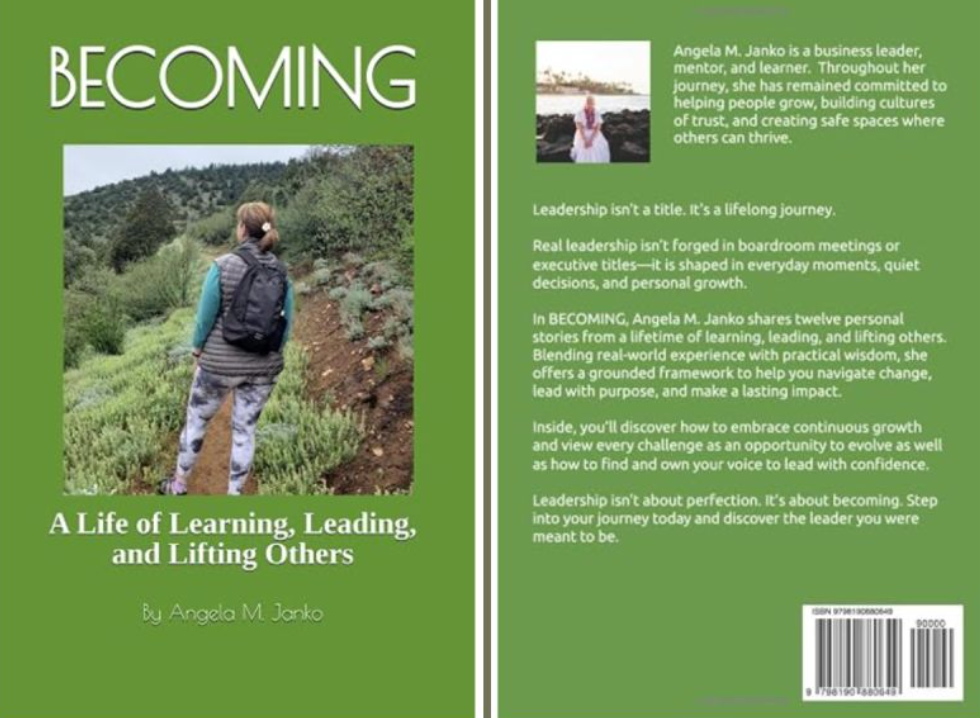
This article was inspired by a story from my book, BECOMING: A Life of Learning, Leading, and Lifting Others. The book grew from years of journals in which I captured lessons from difficult conversations, organizational change, successes, failures, and the people who shaped how I learned to lead.
Need help with the people side of your business?
GSD Coach & Recruiting helps organizations clarify what they need, strengthen their teams, and find the right talent for what comes next. Talk With GSD
Interested in the book?
BECOMING explores the experiences that shaped my approach to leadership, change, courage, belonging, and helping others grow.

Get more expert advice for SaaS founders on sales hiring, recruiting strategies, team leadership, and building high-performing sales teams.

Get started today with a free, no-obligation discovery call. Just fill out the form and share your revenue goals. We’ll be in touch within 24 business hours to show you how our proven systems can accelerate your hiring process.
.avif)


Our proven methodology has helped SaaS companies across every growth stage build revenue teams that drive predictable, scalable results. Connect with us to discover how we can accelerate your hiring process and deliver the A-Player talent your company needs to reach its next milestone.