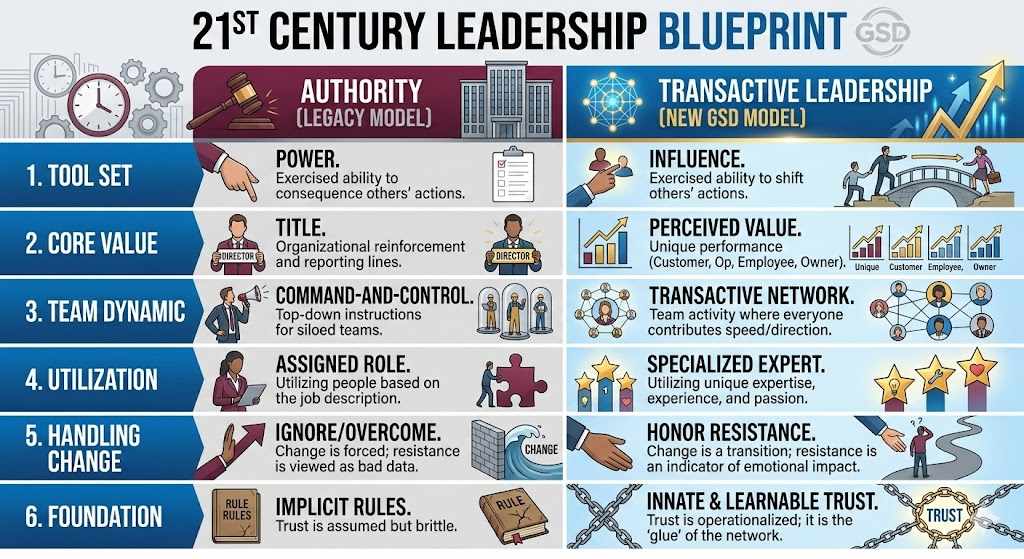
We are witnessing a profound shift in what defines successful organizational leadership. The old top-down, "command and control" models are failing to keep up with the demands of the 21st-century economy. Today’s landscape requires more than just organizational authority; it demands a system built on unique value, trust, and influence. We recently distilled the key insights from a PMI.org webinar titled "Redefining Purpose & Leadership for the 21st Century." The session perfectly encapsulated the movement we support at GSD Coach & Recruiting: shifting from transactional management to powerful, networked leadership. Here is the blueprint for the modern leader.

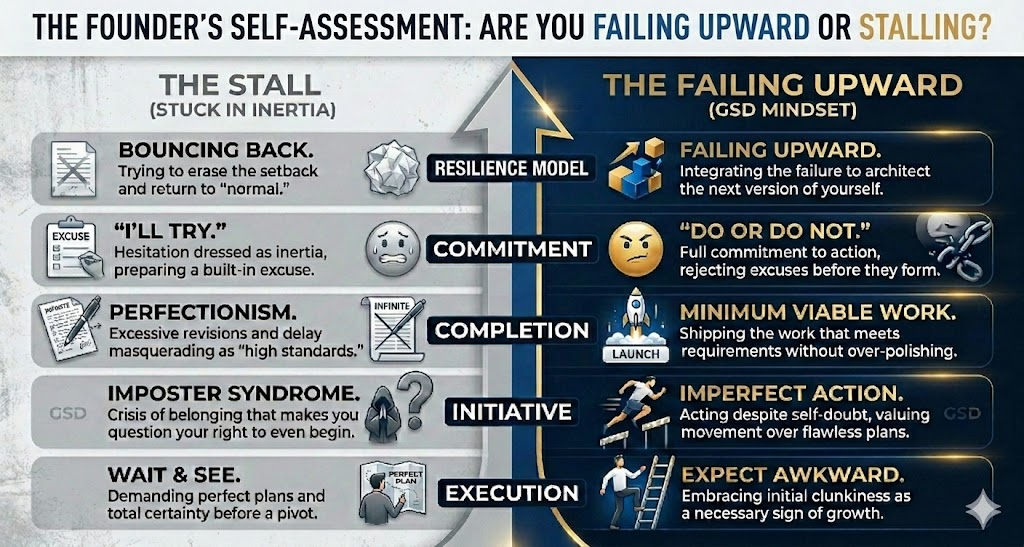
Execution is the only cure for the two silent killers of startup growth: Perfectionism and Imposter Syndrome. This article explores the "Try Trap"—the hesitation that masquerades as intention—and offers a practical framework for building a culture of "Imperfect Action." Discover why shipping V1 and embracing the "awkward middle" of scaling is the only way to turn scars into an architected version of a better company.

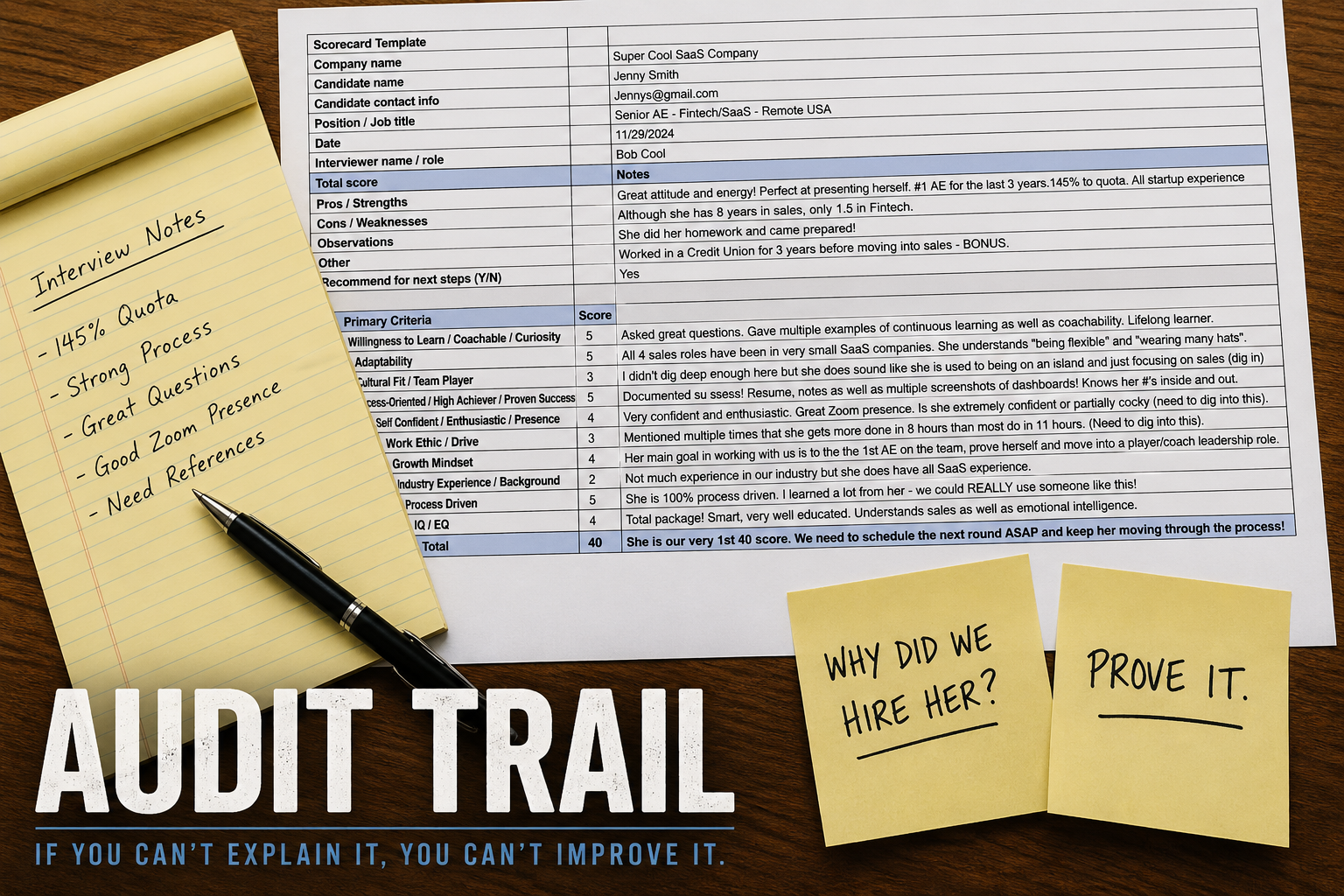
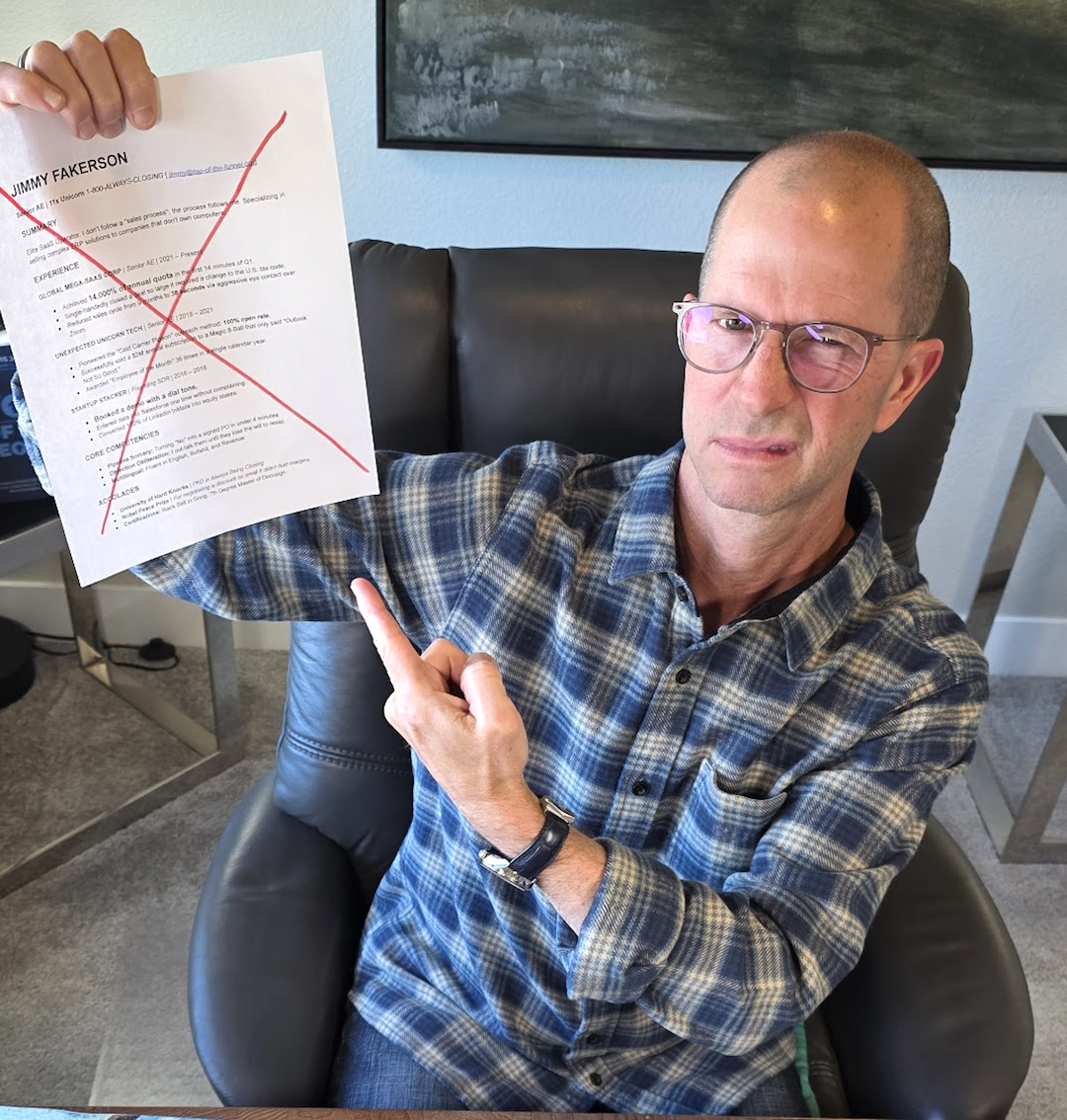
Stop being "Glengarry-ed" by professional actors. Use this surgical 3-part framework to audit sales candidates for ownership, math, and self-awareness.

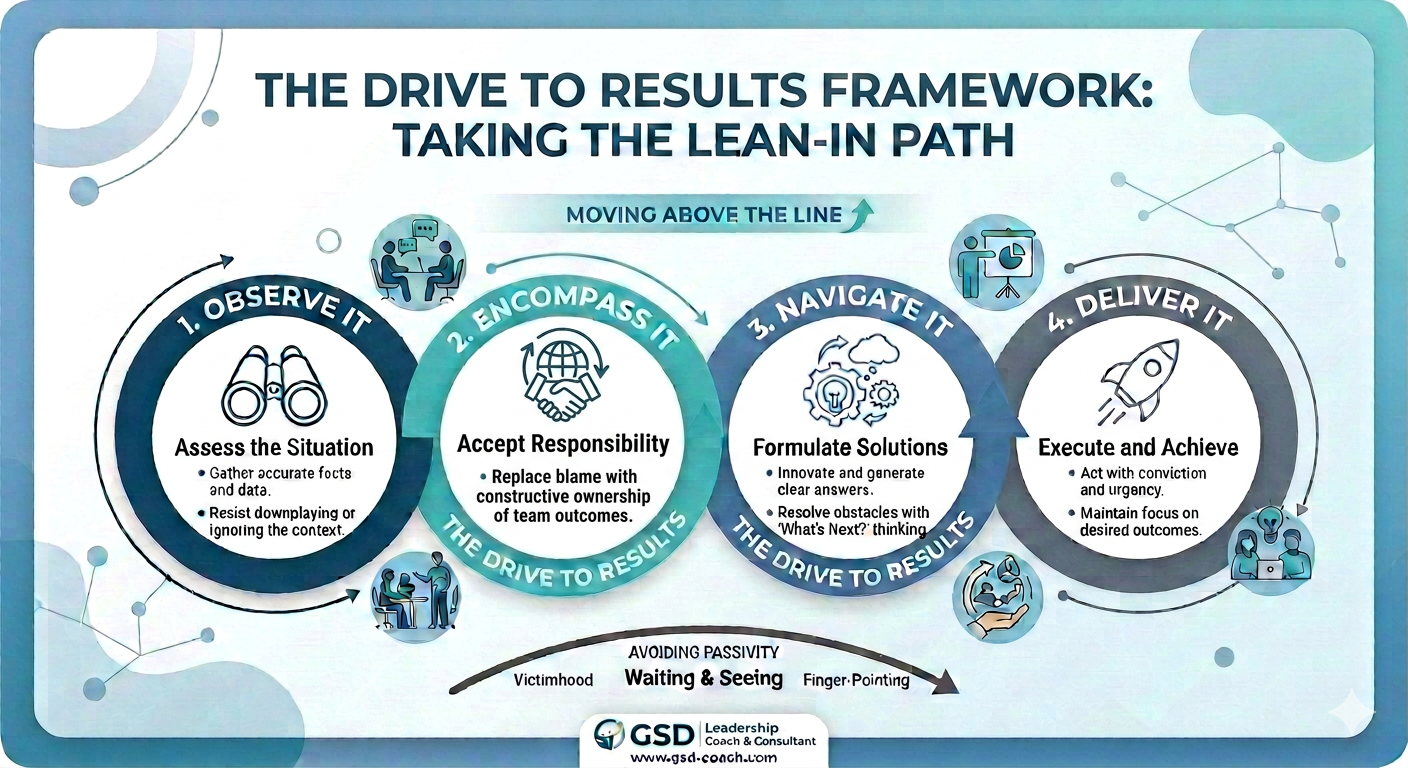
As leaders, we often use the terms "responsibility" and "accountability" interchangeably. While closely connected, they represent distinct concepts that are crucial for building high-performing teams and a thriving organizational culture. Understanding this difference is the first step towards true empowerment.

The Enduring Power of the Leader Who Has No Title: A 15-Year Reflection. On July 9, 2010, I finished reading Robin Sharma's insightful book, The Leader Who Had No Title.

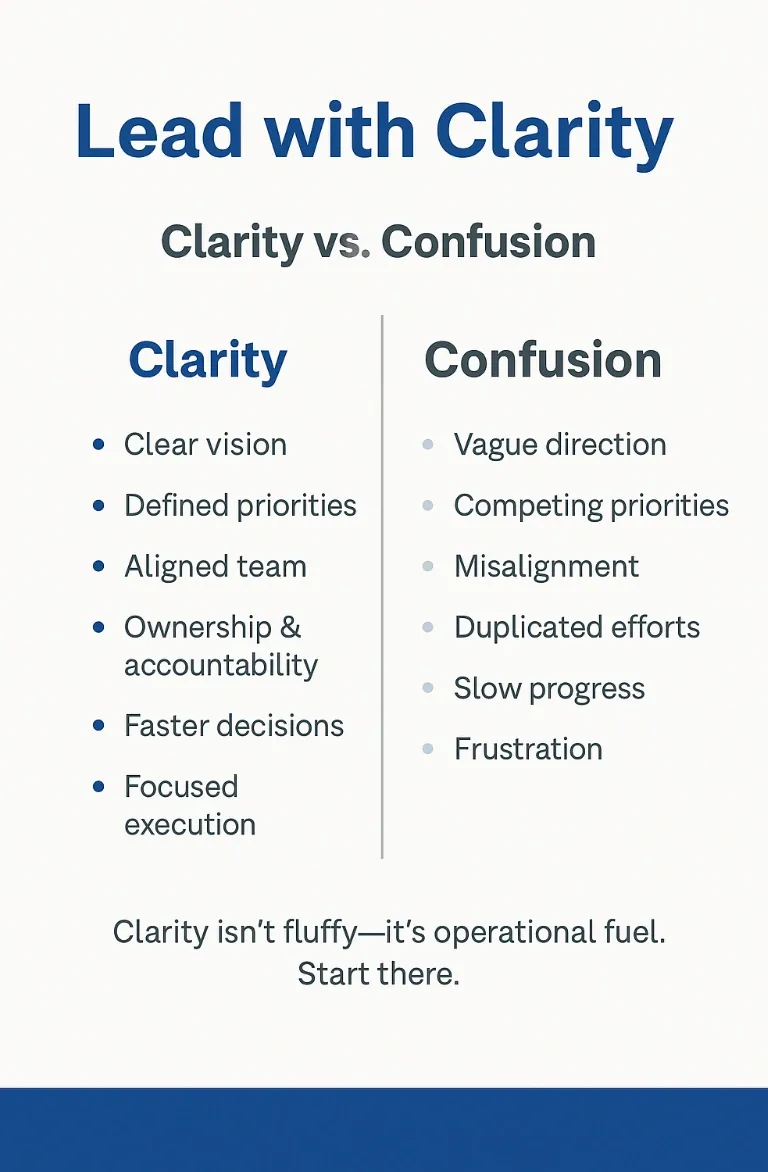
Confusion is the enemy of execution.

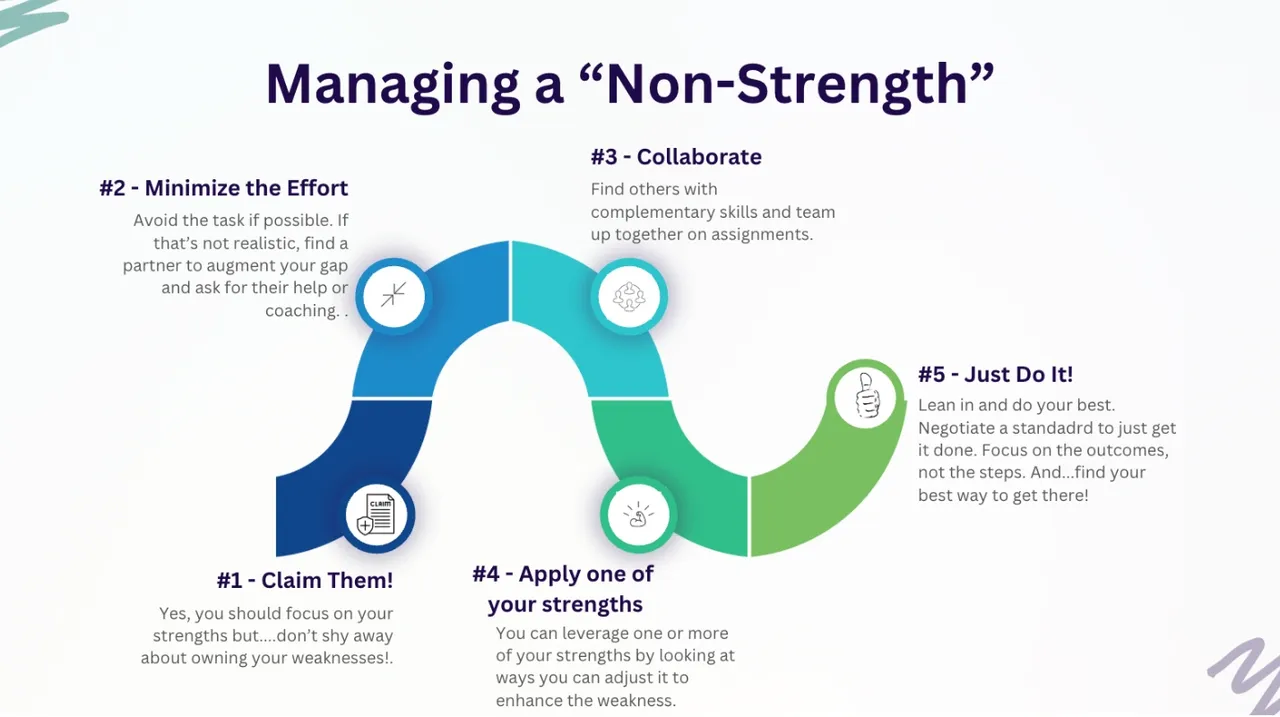
We often hear the advice to "focus on your strengths," and while that's undeniably important, it doesn't mean we can simply ignore our "non-strengths" – those areas where we're less naturally gifted or skilled. In fact, ...

From the book "Beyond Basketball: Coach K's Keywords for Success" by Mike Krzyzewski, some super learnings on PRESSURE!

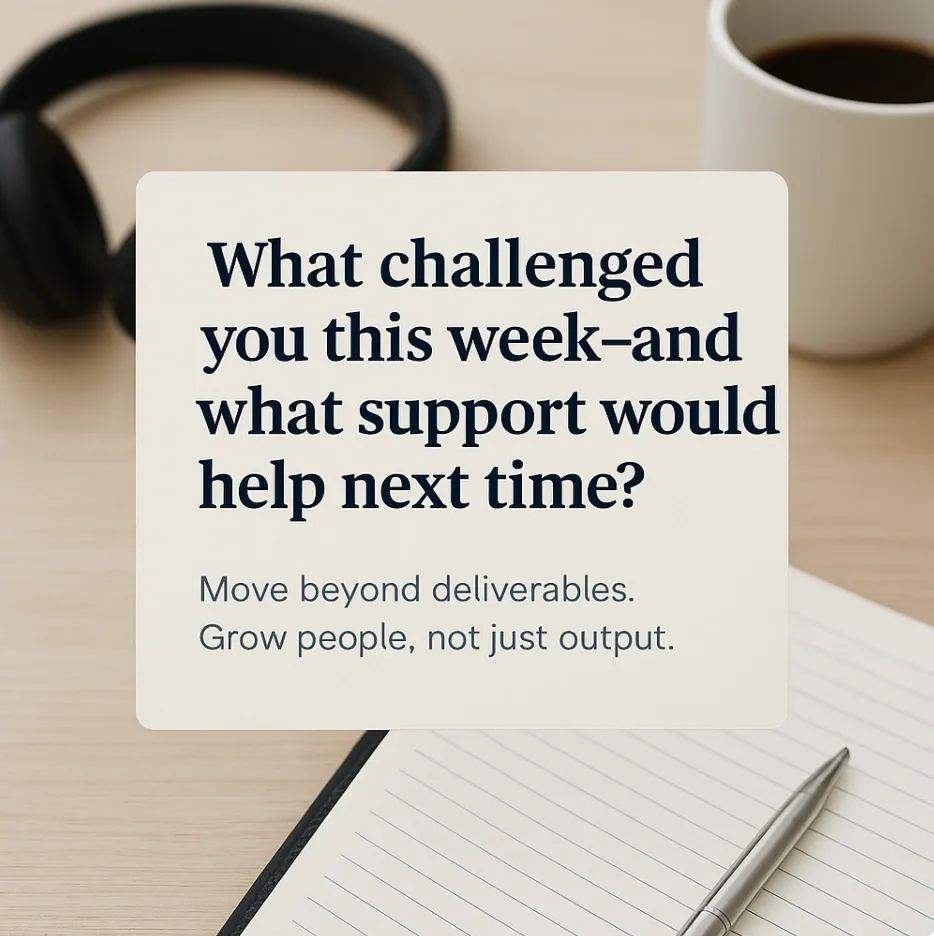
I’ve been thinking a lot lately about the rhythm of leadership and the conversations we have with our teams. Specifically, what’s the one question every leader should ask their team at the end of the week to genuinely un...

Building a truly cohesive and high-performing team isn't just about assigning tasks and setting deadlines. It's a lot like gardening – a process that requires consistent care, attention, and the right environment to thri...

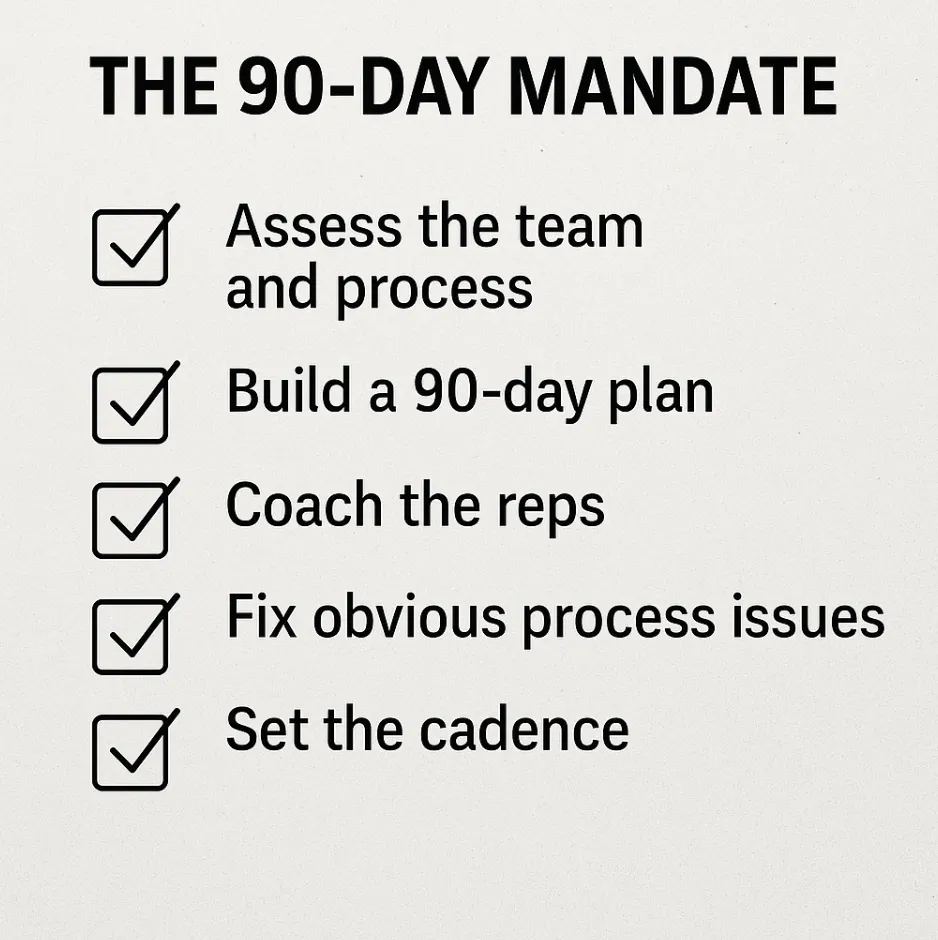
So, you’re the new Sales Director. Or maybe you’re the founder who just hired one. Listen up.

As a sales leader, your most valuable lever for building a high-performing SaaS sales team is coaching.

If your Sales Director carries a full quota, you don’t have a coach.

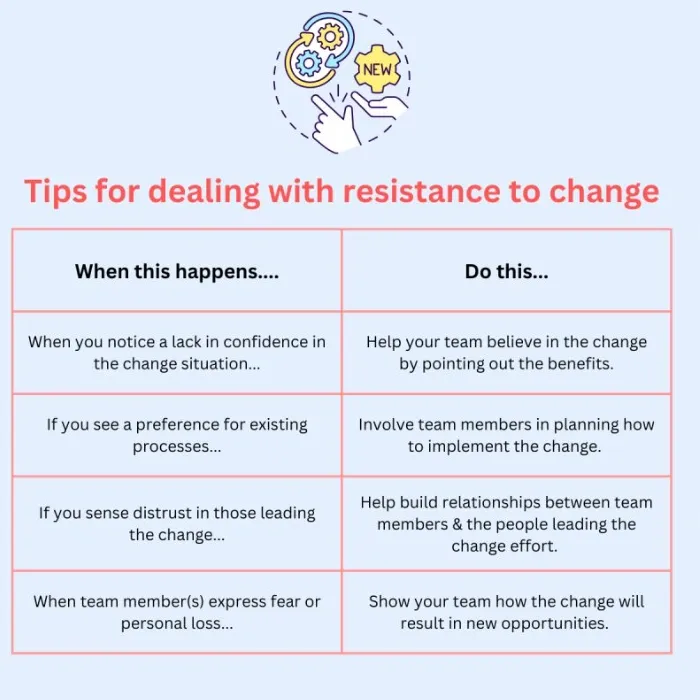
Noticing how change is affecting others and how you deal with it will make or break your change initiative, which underscores a fundamental truth often overlooked: change is a profoundly human experience, and its success...

I’ve seen it time and time again.

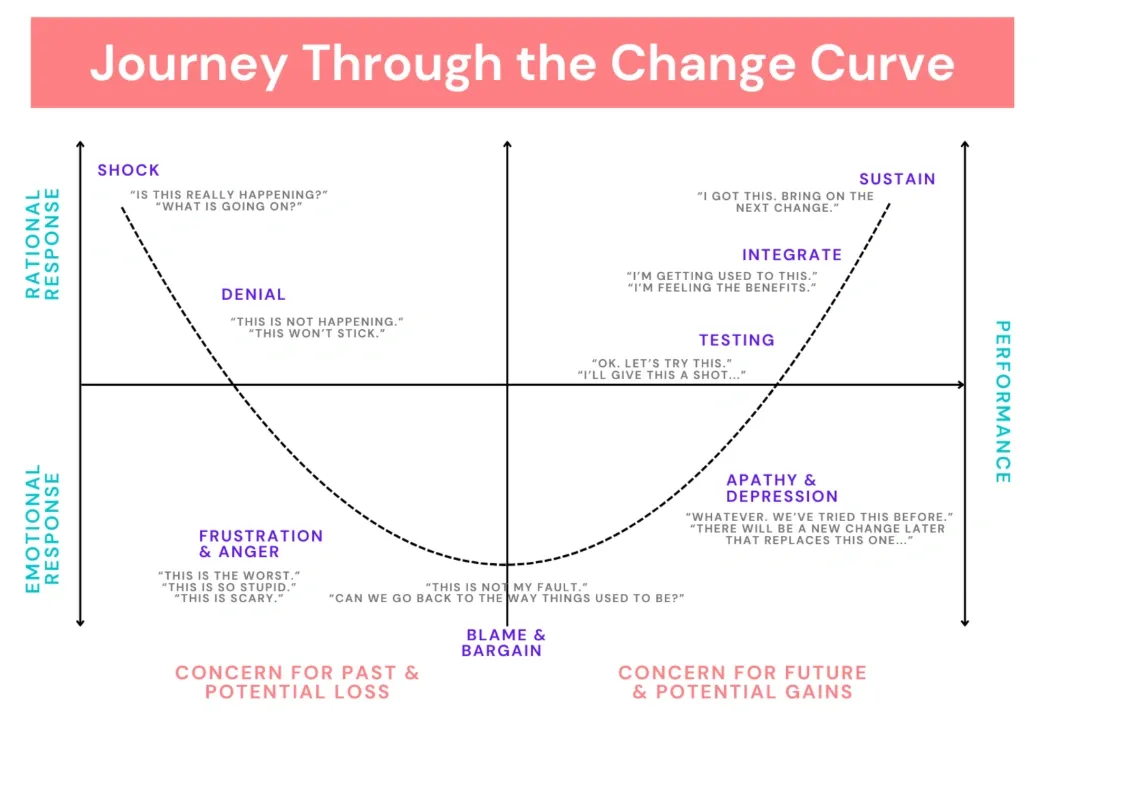
I love this visual as a way to remember to recognize and acknowledge the various phases of change, especially critical if you are a change & transition management leader or even if you are experiencing change as a manage...

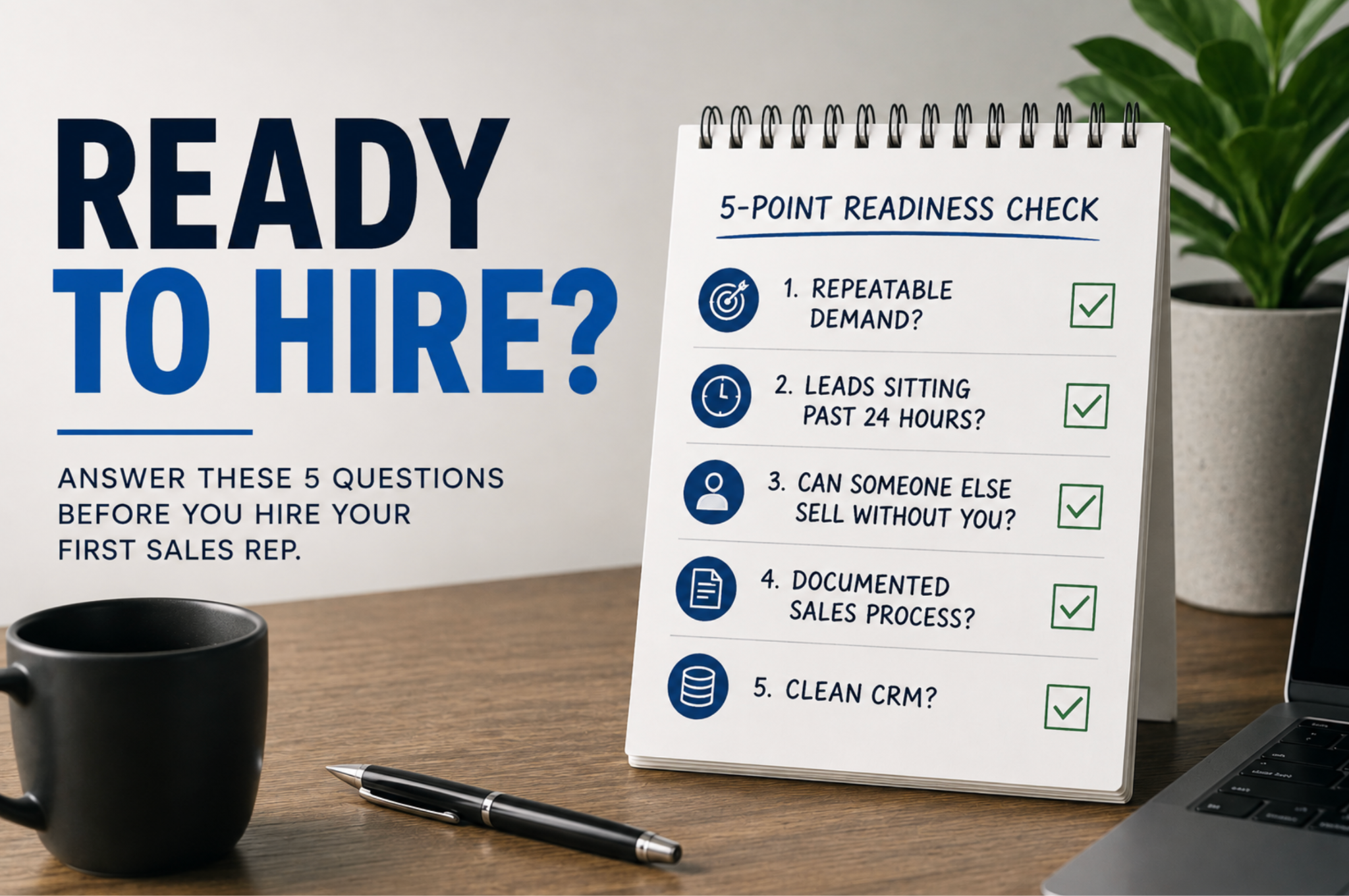
If you're a B2B SaaS founder, you’ve either faced this dilemma—or you will.

Several years ago, I had the privilege of learning some invaluable lessons about effective communication from Lindsey Cohen, our Communications Director at Visible. These lessons have had a lasting impact on me, and I be...

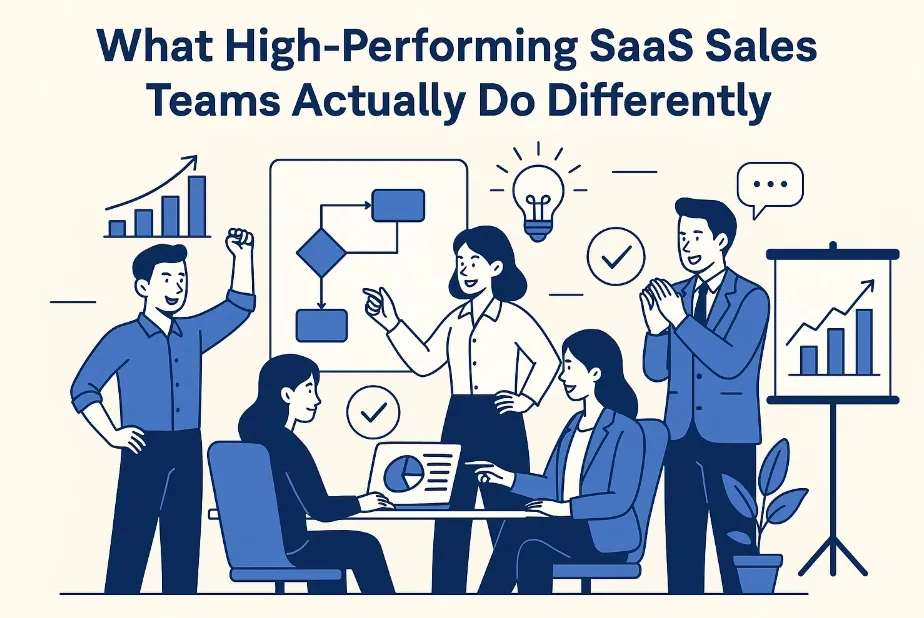
What sets the best SaaS sales teams apart? It's a combination of these key elements, executed consistently.
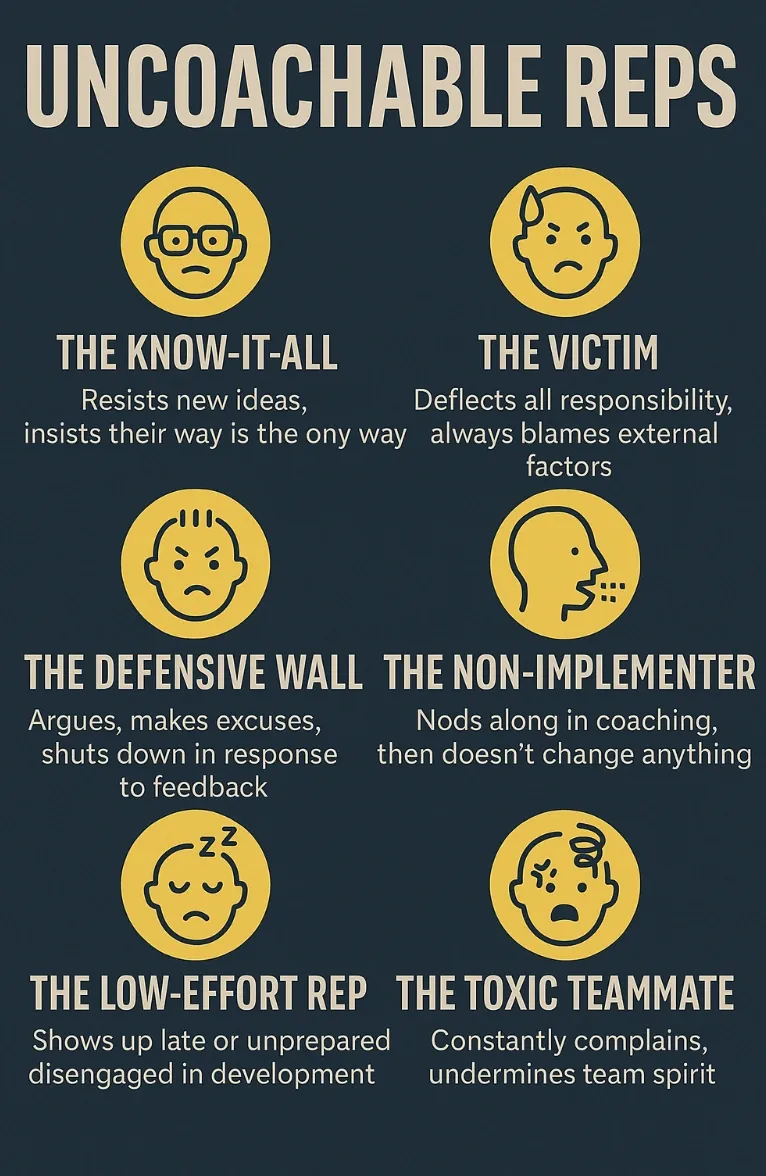
Title: Unlocking Potential: The Top 15 Sales Coaching Mistakes That Crush Teams

Learning to "manage up" is a lot like being a flower in bloom. I have learned you have to have an outward, honest, and polished perspective as well as have strong boundaries and "roots" hidden below the ground and within...

Are your sales coaching sessions falling flat? Leading a sales team is one thing.

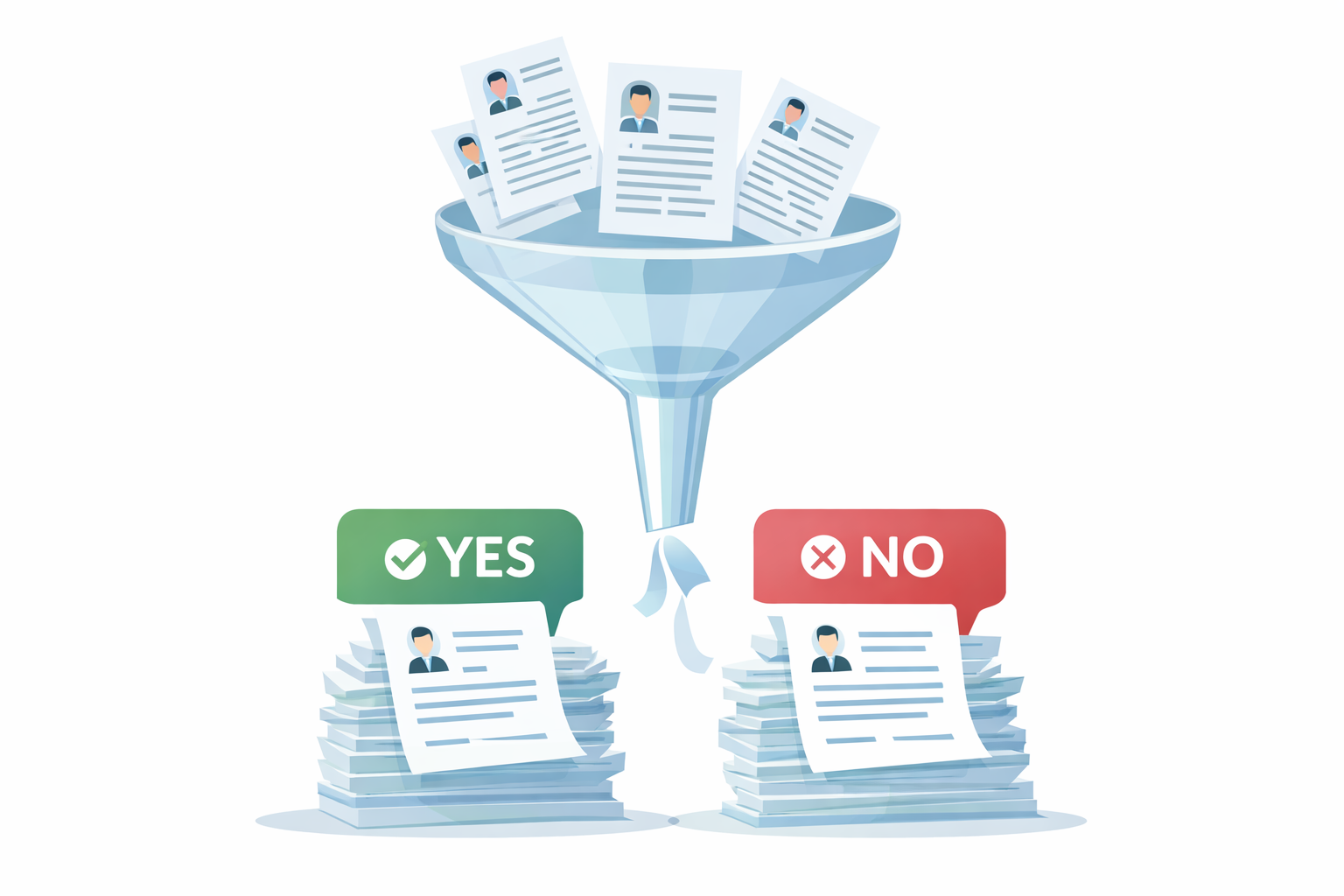
How many hours have you wasted in first-round interviews with candidates who were never going to be a fit? We’ve all been there. Ten minutes into the call, you realize there’s a massive disconnect on salary, expectations, or the actual nature of the work. Now you’re stuck in a "polite" 30-minute conversation while your real work sits untouched. It’s a drain on your energy. It’s a drain on your team. And it’s completely avoidable. The solution isn't "better" interview questions—it’s a more transparent process. At GSD, we use two simple hacks with every search. They act as an automated filter: they push the "Passengers" away and pull the "A-Players" in.