.png)
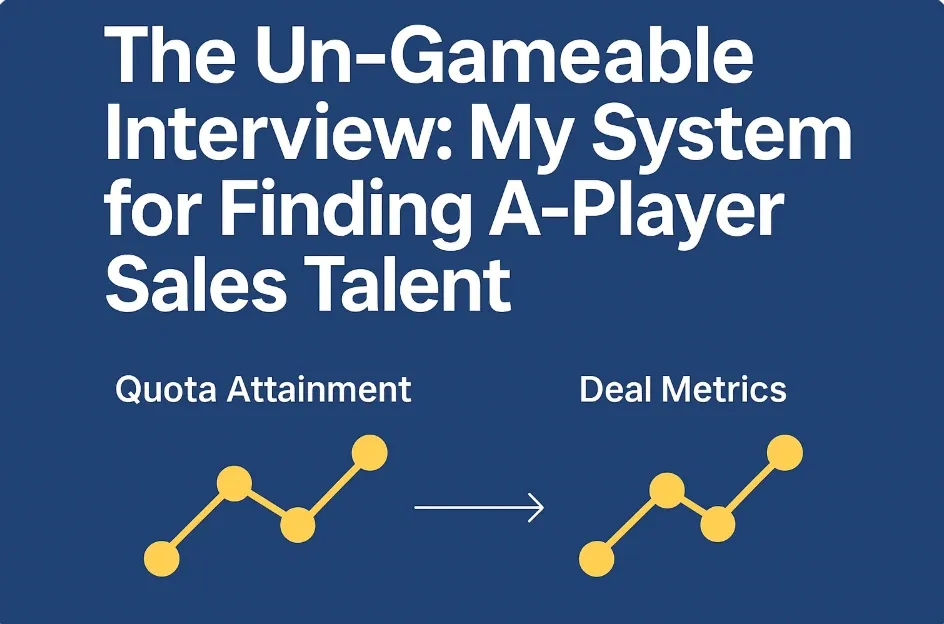
Most companies don't have a sales hiring process. They have a series of interviews. Learn how to define the role, decide what evidence matters, give every interviewer a purpose, run better debriefs, and be ready to act when you find the right salesperson. Most companies don't really have a sales hiring process. Someone decides they need an AE, a job description gets posted, resumes start coming in, and three or four people interview each candidate. Everyone gets together afterward and talks about who they liked, who they didn't, and whether anyone feels strongly enough to move forward. Sometimes they hire someone. More often, especially with an important sales hire, the process just keeps going. They interview ten people, then twenty, then thirty. Three months later, they've talked to plenty of qualified candidates but still haven't hired anyone. Eventually, four months into the search, they make a hire because they need to fill the seat and one candidate feels like the safest option. The problem usually isn't that there weren't any good candidates. It's that the company never defined what evidence it needed to see to make a confident decision. Every interviewer was evaluating something slightly different, asking many of the same questions, and forming their own definition of what "good" looked like. That's a series of interviews. It isn't a hiring system. A real sales hiring process starts before the first candidate ever shows up. What exactly does this person need to accomplish? What kind of selling environment are they walking into? What evidence would convince us they've done something similar successfully? Who is responsible for testing each part? What would make us say no? And when we find the right person, how quickly are we prepared to move? If you don't answer those questions until candidates are already interviewing, you're building the process while you're trying to use it.

When performance drops, leaders often assume they have a people problem. But sometimes good people are trapped inside a system that makes success unnecessarily difficult. Before reorganizing or recruiting replacements, take a closer look at the process, decision rights, tools, priorities, and organizational friction surrounding the work.
.png)
The best sales candidates aren't just answering your questions. They're deciding whether they want to work for you. Learn how to run an interview that evaluates great salespeople while giving them the information they need to evaluate your company.

Scaling a B2B SaaS startup from early traction to predictable revenue isn't just an operational battle. It's a mental one. When you're trying to build a repeatable sales engine, replace yourself in the sales seat, or hire top-tier revenue talent, the friction you face daily is intense. The noise from the market, bad advice, and internal doubts can easily derail your momentum. In his book The 5 AM Club, Robin Sharma lays out a series of uncompromising principles for personal and professional mastery. When translated into the startup world, these principles form the exact mindset required to scale an A-Player revenue team and dominate your market. Here are 8 non-negotiable rules every founder must adopt to stop making excuses, build real leverage, and Get Stuff Done.

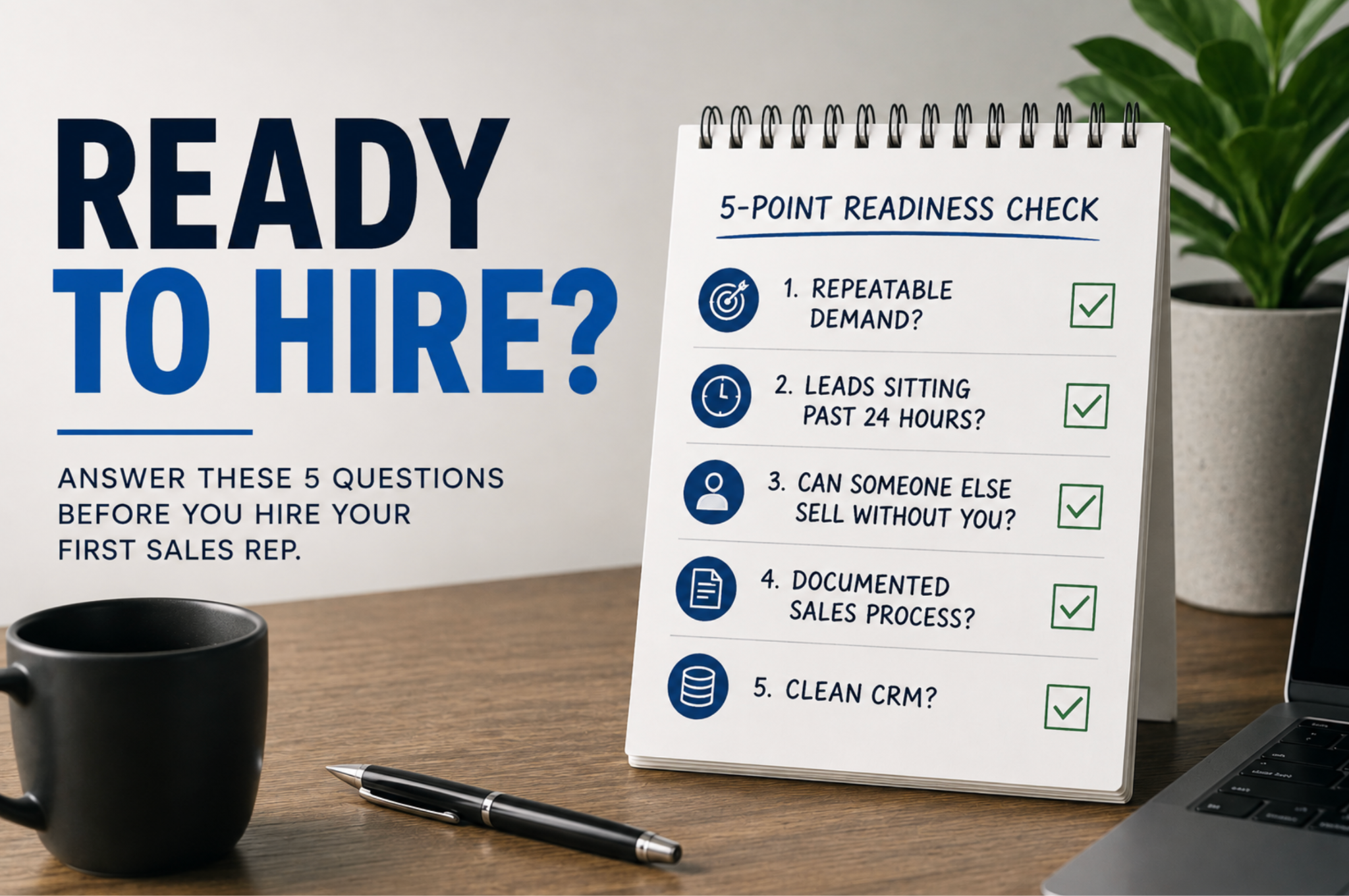
Most founders don't hire the wrong salesperson. They hire at the wrong time or into the wrong environment. Most hiring mistakes don't happen during the interview. They happen weeks before anyone ever posts the job. When founders come to us completely exhausted from running demos, managing operations, and updating the CRM at 10 PM, their first instinct is always the same: "I need to hire a salesperson to take this off my plate." I see this over and over. A founder hires an AE because they're burnt out. Ninety days and $25,000 later, they tell me, "The rep just wasn't very good." Maybe. But most of the time, we find out the setup wasn't ready in the first place. It wasn't the rep, it was the environment. Before you write a job post or run another interview, grab a pen. Seriously. Don't just read this. Let's find out where your setup actually stands.

"In the last six months I hired two people that didn't work out. It cost me time and money. Now I'm still the only one selling, and I need a salesperson in here yesterday so I can get back to working on the business." I was on the phone with an early-stage SaaS founder when he said that. I hear a variation of that sentence almost every week. When you're drowning in sales demos, customer support, and product updates, it's easy to view a sales hire as a quick escape hatch. You hire someone fast just to get relief. Then, ninety days later, you fire them. You're right back where you started, except now you're six months behind and out tens of thousands of dollars. Hiring a salesperson doesn't automatically buy back your time. If you drop a sales rep into a broken setup, it does the exact opposite: it doubles your workload because now you're managing someone who can't execute. Over the years, I've watched founders make the exact same three mistakes every single time they try to replace themselves in sales.

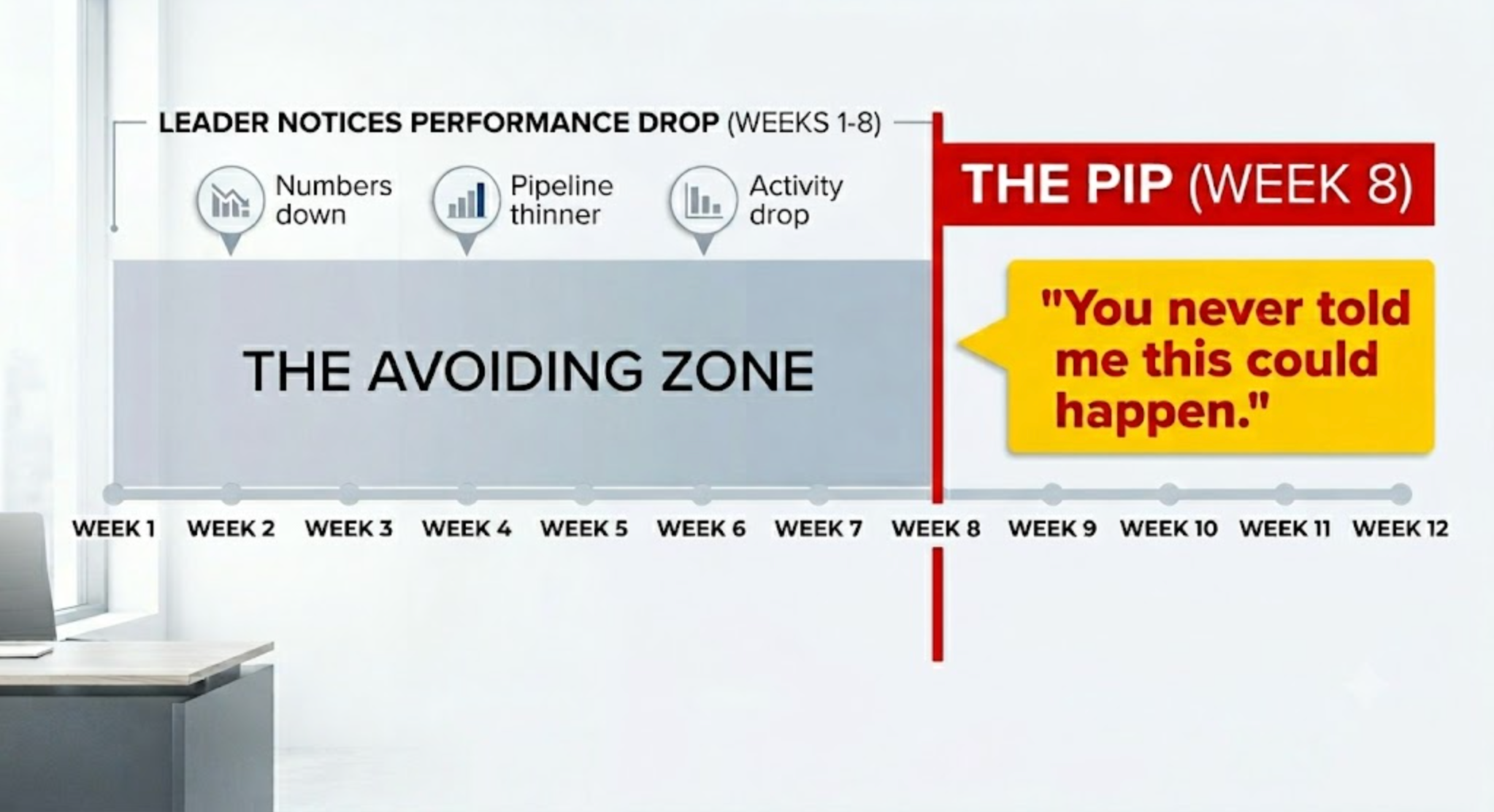
A Performance Improvement Plan (PIP) should never be a shock to your sales rep. If it is, the failure isn’t theirs—it’s yours as a leader. This guide breaks down why leaders avoid uncomfortable performance talks, the hidden cost of delaying them, and a simple, 3-part framework to ensure your reps always know exactly where they stand before a formal PIP is ever drafted.

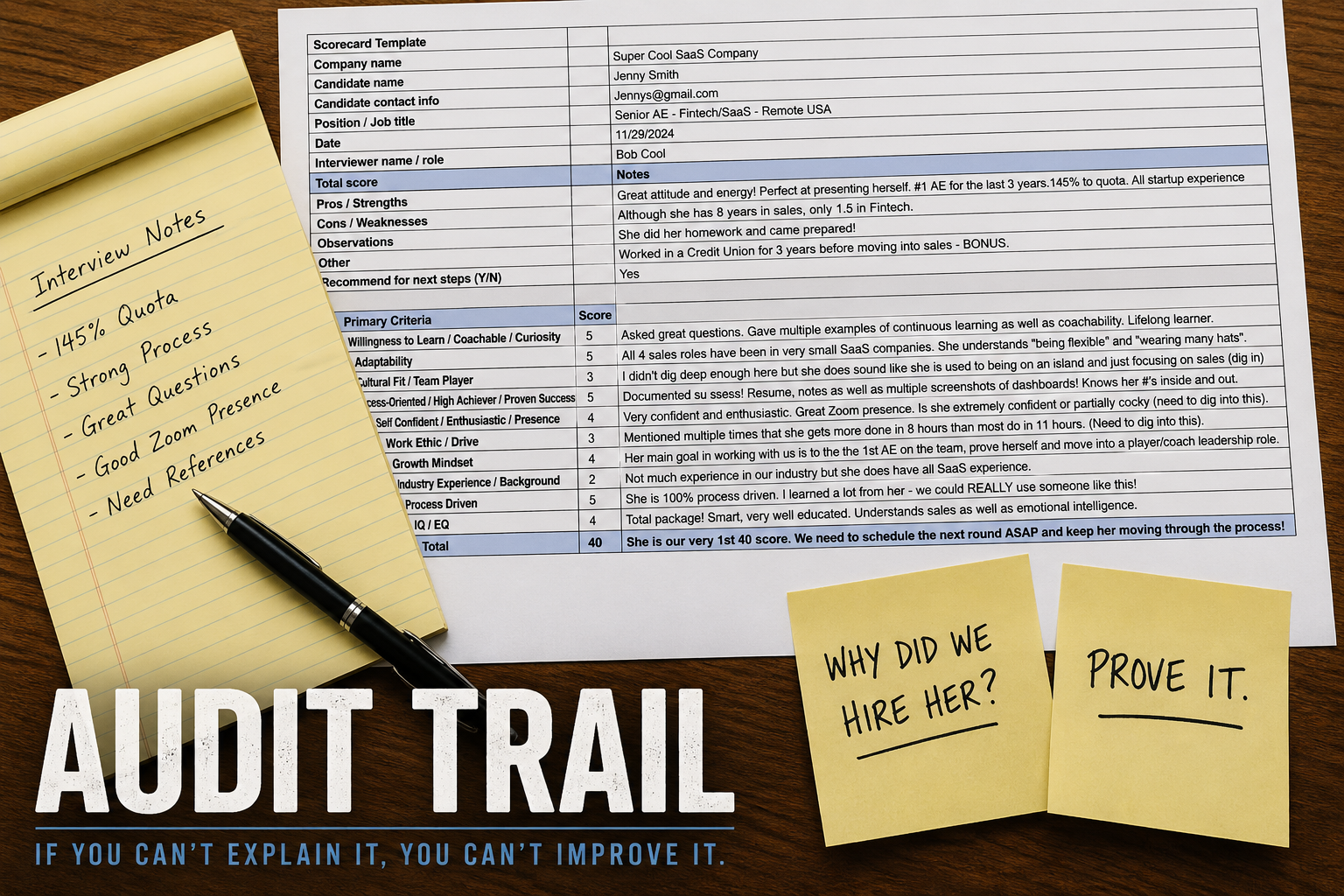
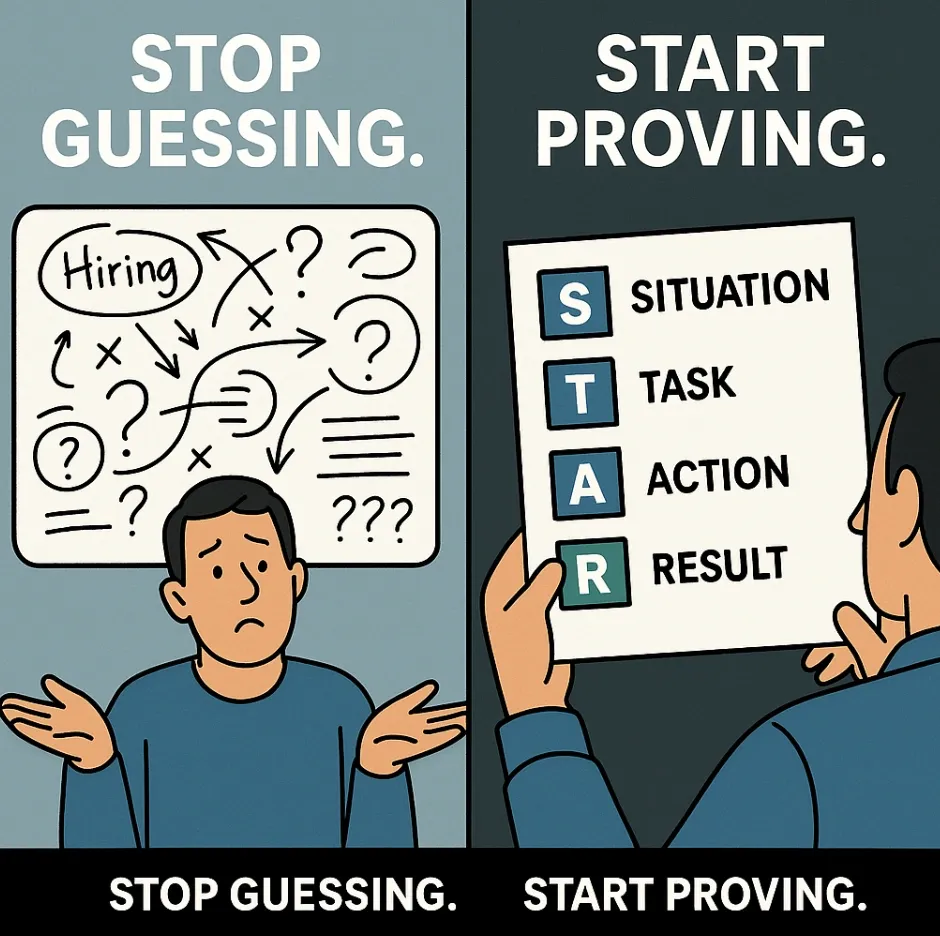
Most hiring decisions are made on gut feel. The problem is that gut feel leaves no evidence behind. When a hire succeeds, you cannot replicate it. When a hire fails, you cannot explain it. In this article, Travis Janko shares the simple hiring audit trail framework that helps SaaS founders replace opinions with evidence and build a repeatable hiring system.

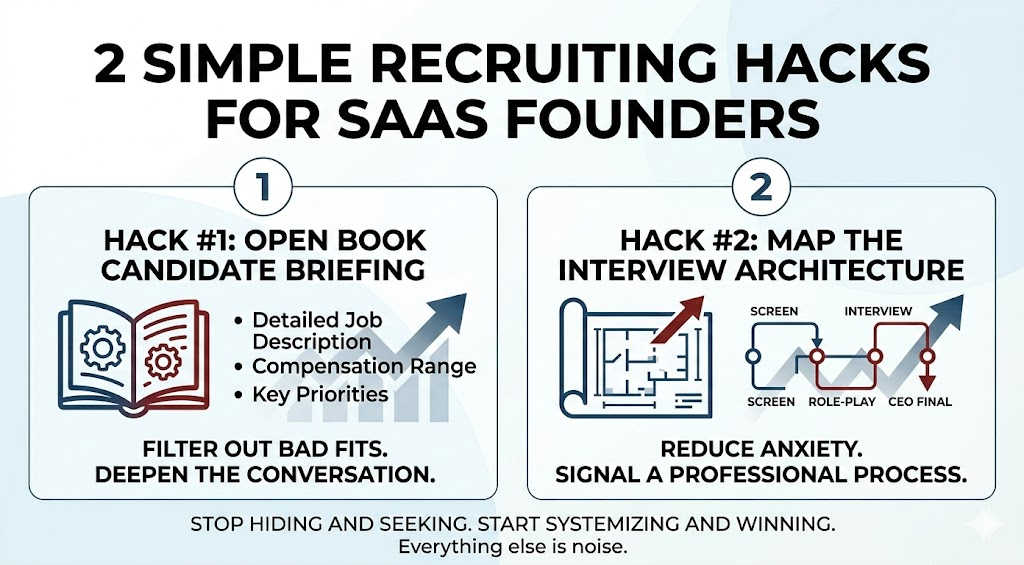
How many hours have you wasted in first-round interviews with candidates who were never going to be a fit? We’ve all been there. Fifteen minutes into a call, you realize there is a massive disconnect on salary, expectations, or the core requirements of the role. It is a drain on your energy, a frustration for your team, and a direct tax on your ARR. The solution isn’t "better" interviewing. It’s a more transparent system. At GSD Coach & Recruiting, we don't believe in the "Hide and Seek" method of hiring. We believe in radical transparency. Here are two incredibly simple hacks that will save you hours of wasted time, filter out bad fits automatically, and help you attract the A-Players who are tired of the typical corporate runaround.

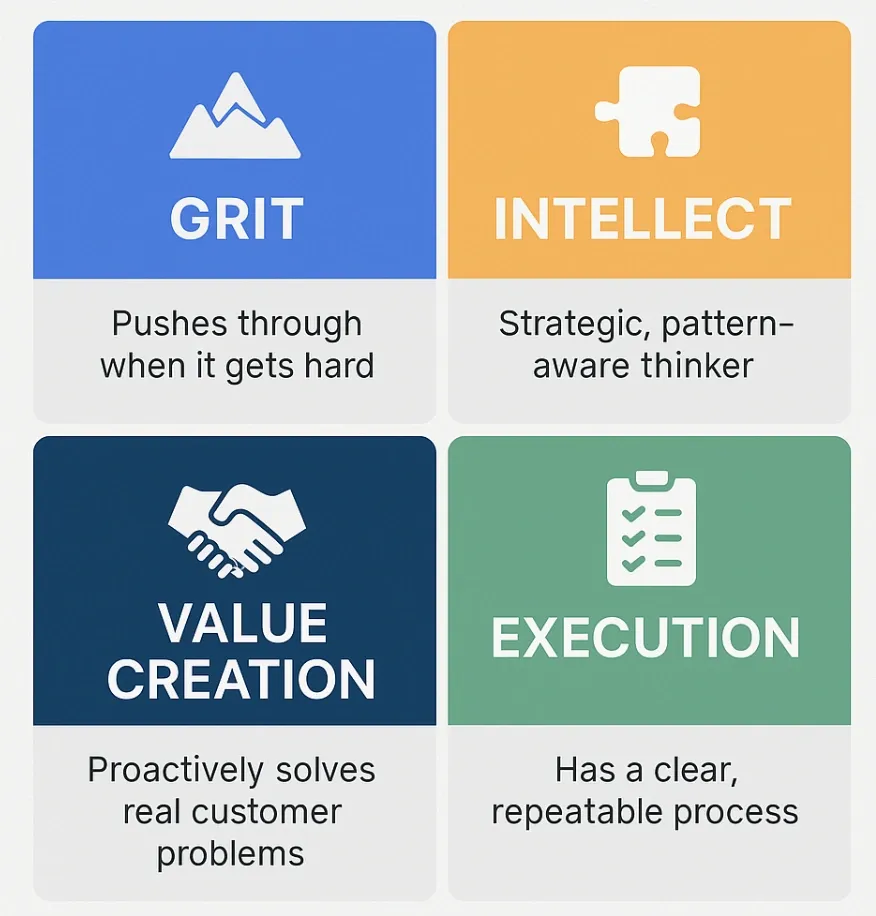
Stop being "Glengarry-ed" by professional actors. Use this surgical 3-part framework to audit sales candidates for ownership, math, and self-awareness.

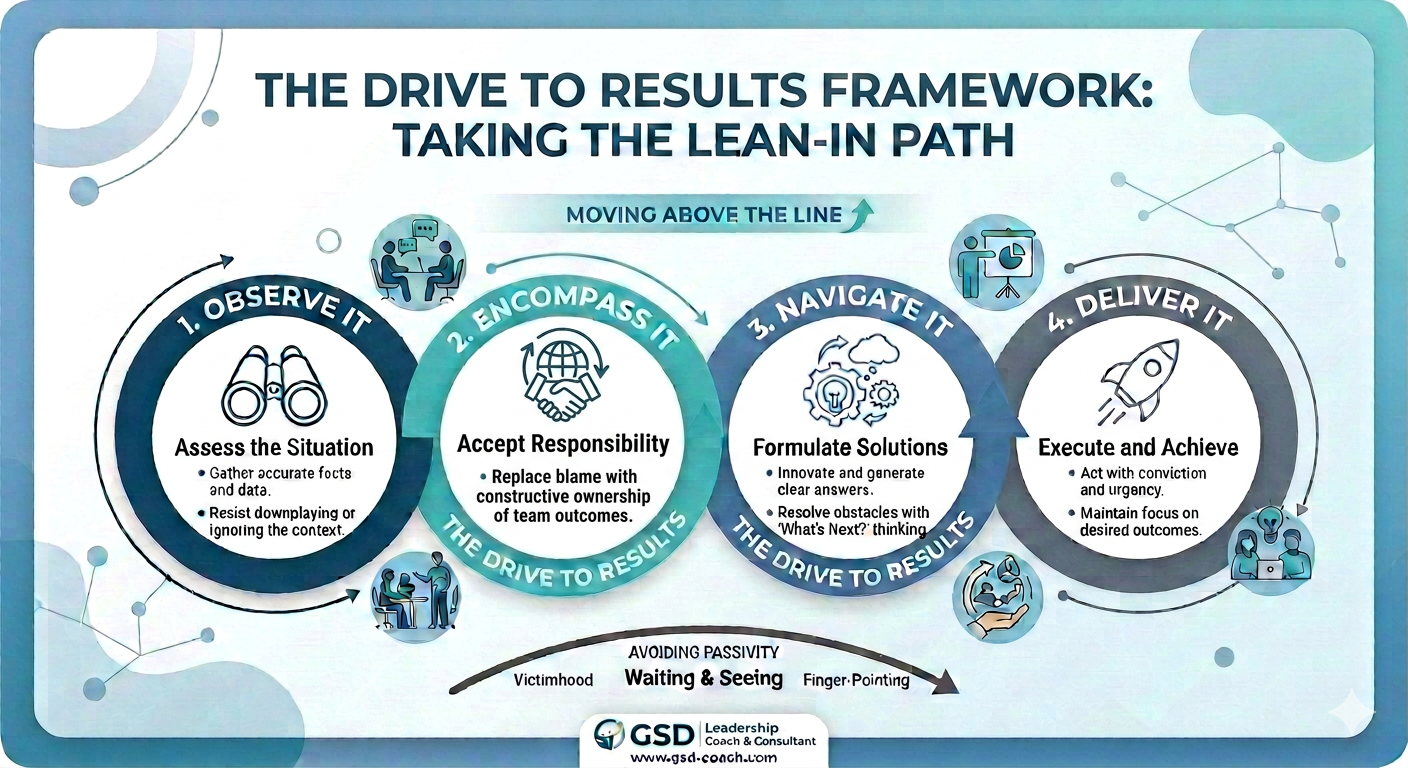
As leaders, we often use the terms "responsibility" and "accountability" interchangeably. While closely connected, they represent distinct concepts that are crucial for building high-performing teams and a thriving organizational culture. Understanding this difference is the first step towards true empowerment.

That constant feeling of being busy but not productive? Juggling a dozen open tabs – Slack, email, that half-finished proposal, three different strategy docs? If this sounds like your typical Tuesday, you're not alone.

Life has a funny way of teaching us its most valuable lessons through experience, often when we least expect them. Reflecting on my own journey, I've been incredibly fortunate to learn a tremendous amount from colleagues...

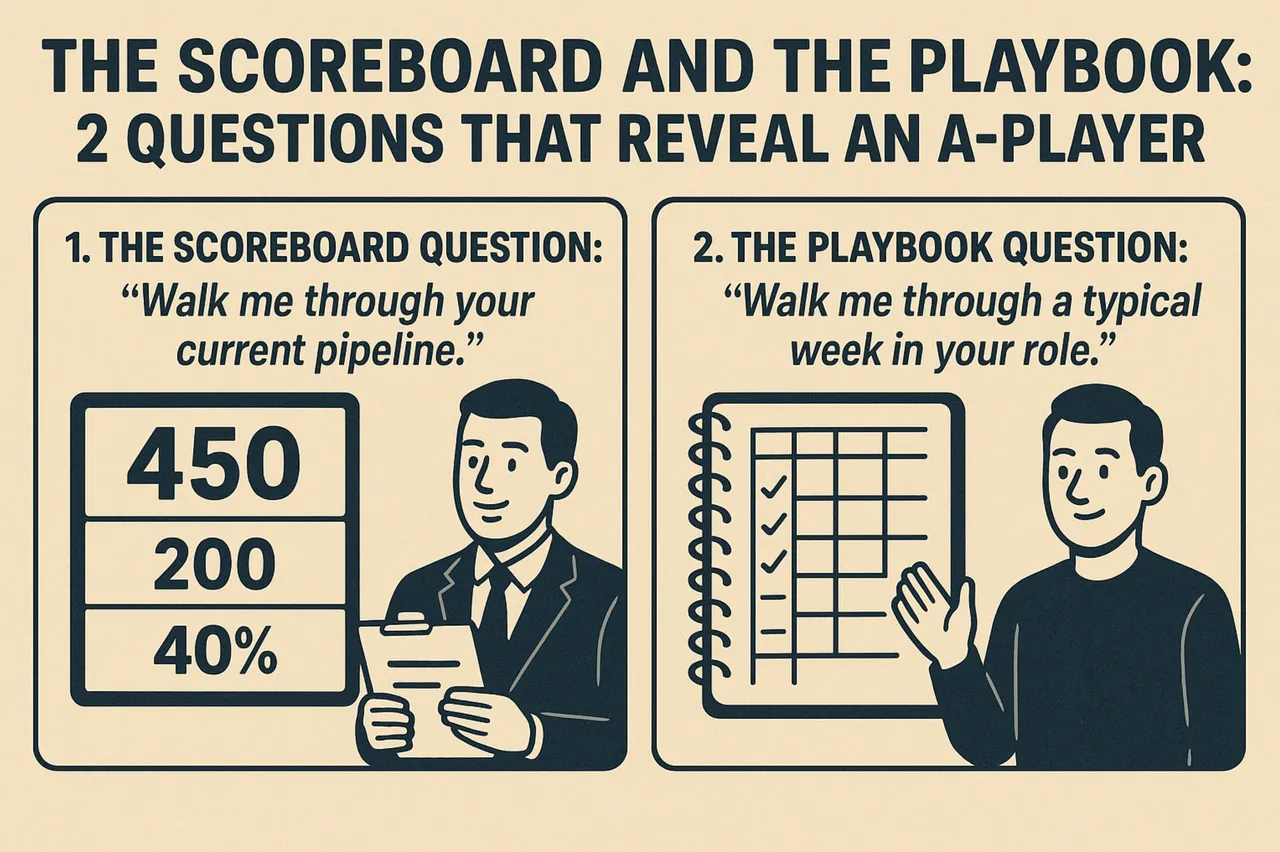
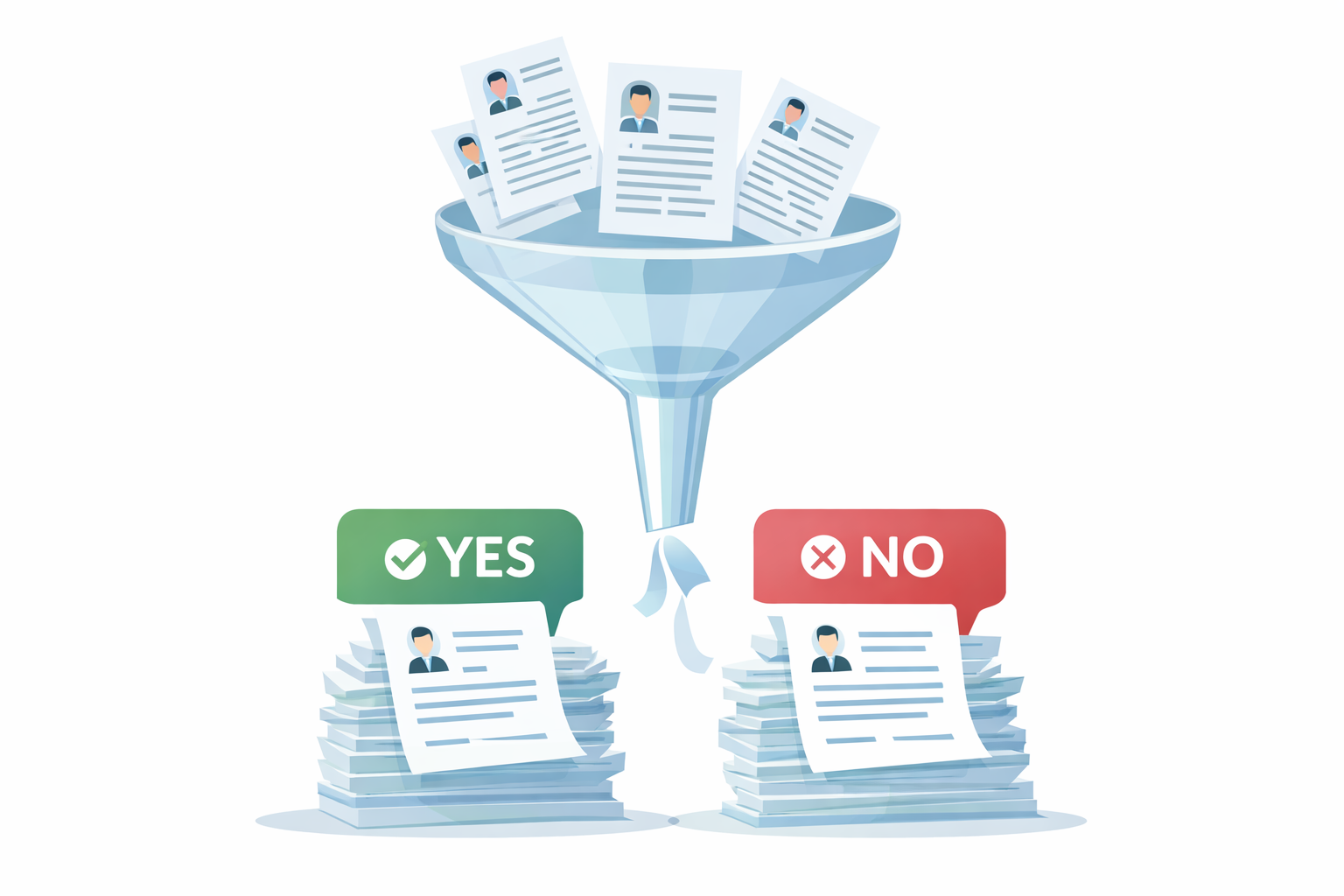
Most sales interviews are a waste of time. They test for theory, not reality. You walk away knowing a candidate can tell a good story, but you have no real evidence of how they actually perform.

There’s a unique kind of regret that comes from hiring the wrong salesperson. It’s not just a bad call, it’s a drag on growth, morale, and momentum.

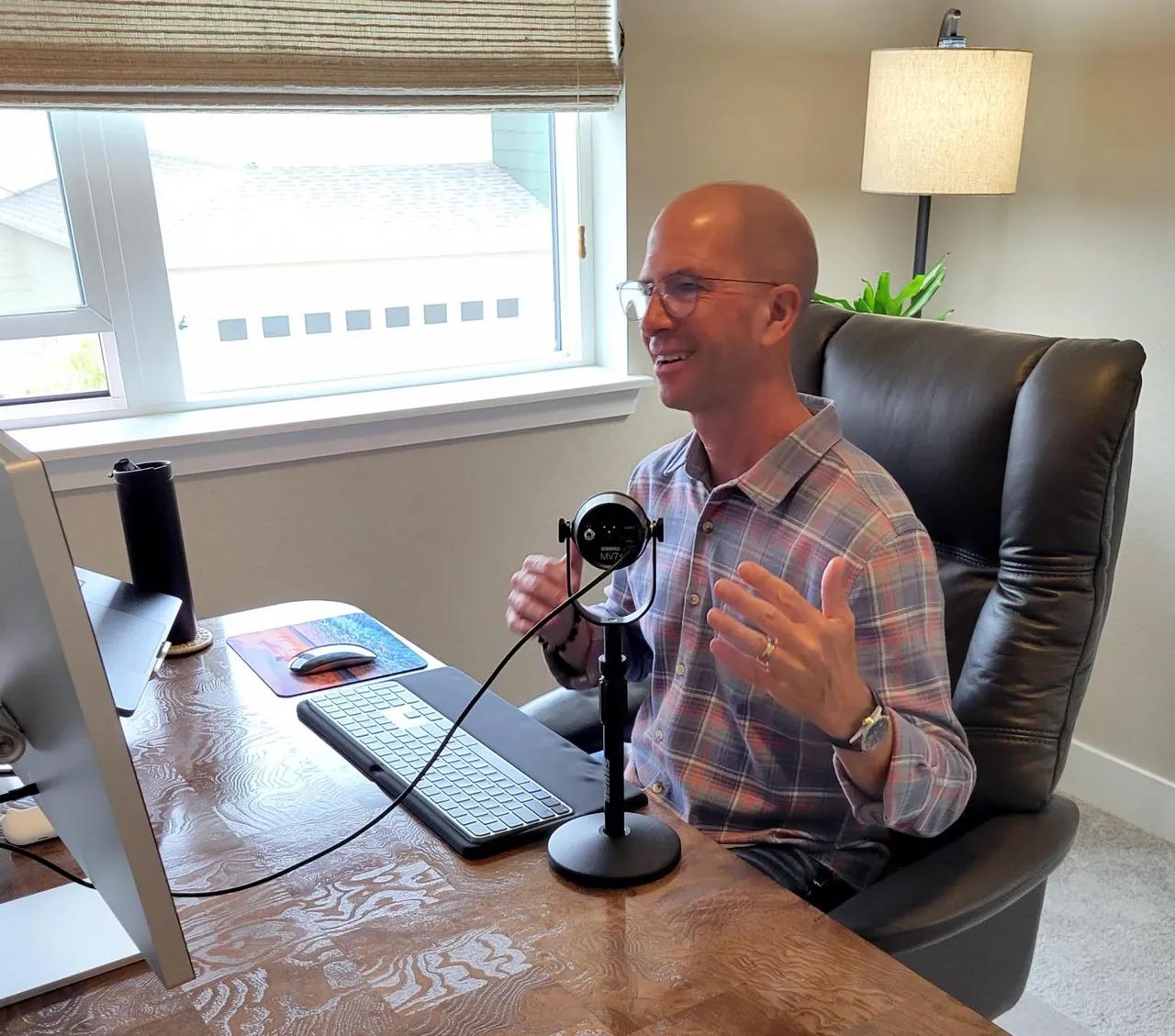
I recently had the pleasure of joining Brandon Poni on The Valuable Mind podcast for a wide-ranging conversation about the real, in-the-trenches work of building elite sales teams.

Five years post-pandemic, remote work isn't just a temporary solution; for many of us, it's a permanent fixture. The techniques we honed during those early days are still the bedrock of productivity and well-being today,...

Motivation is inconsistent. Systems win. The best founders design their days around predictable, repeatable actions that create momentum.

Hiring elite sales talent is one of the hardest things a leader can do.

That moment a top sales candidate says "yes" to your offer? It’s a huge win. You’re ready to celebrate and move on to the next fire. But hold on. The period between that verbal acceptance and their first day is absolutel...

Ever been in a meeting where everyone nods along, only to find later that half the team secretly disagreed with the decision? Or perhaps you've felt unheard, your great idea sidelined because the loudest voice won? It's ...

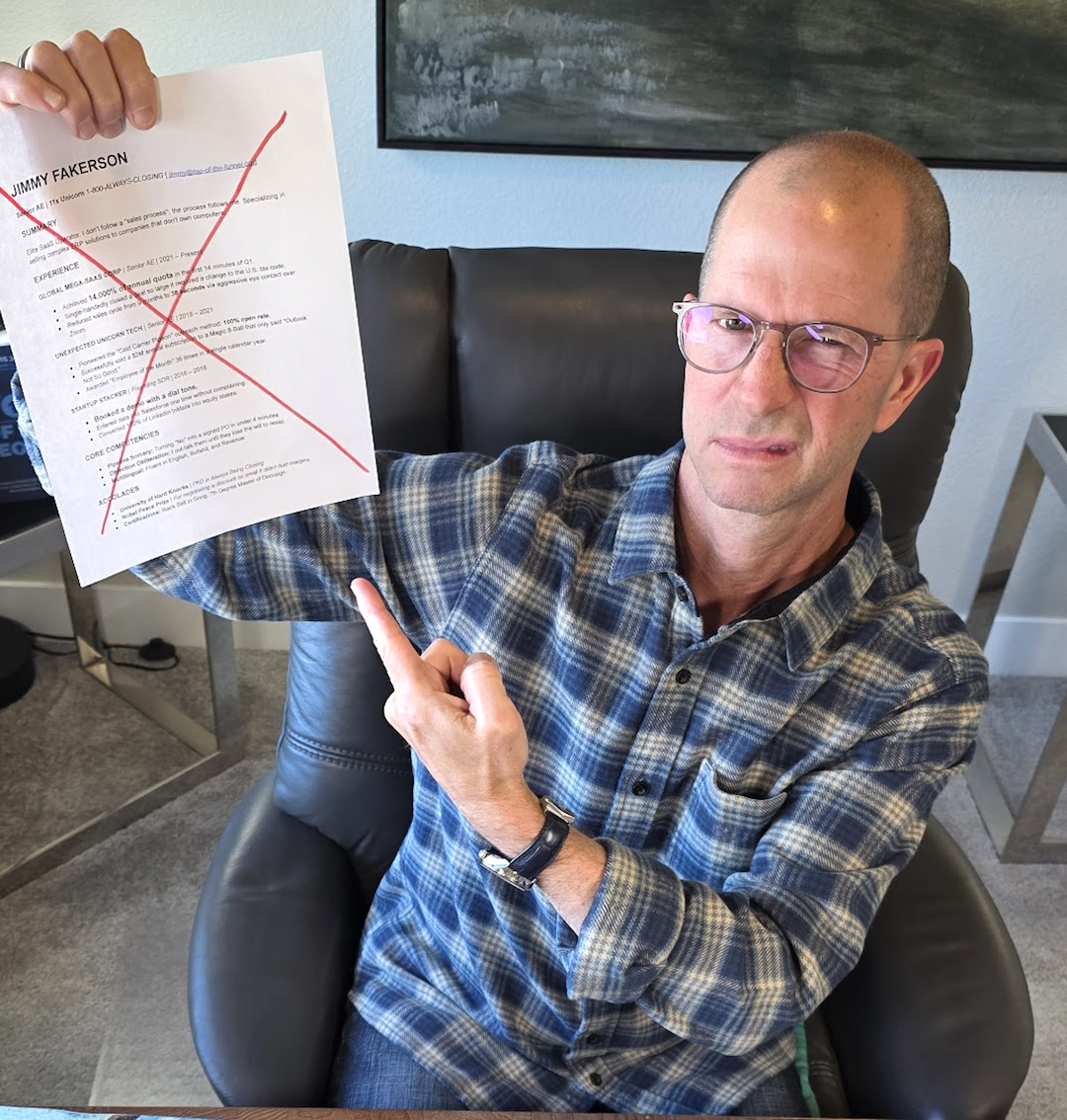
You want to believe you just found your next sales star. But deep down, you know better.

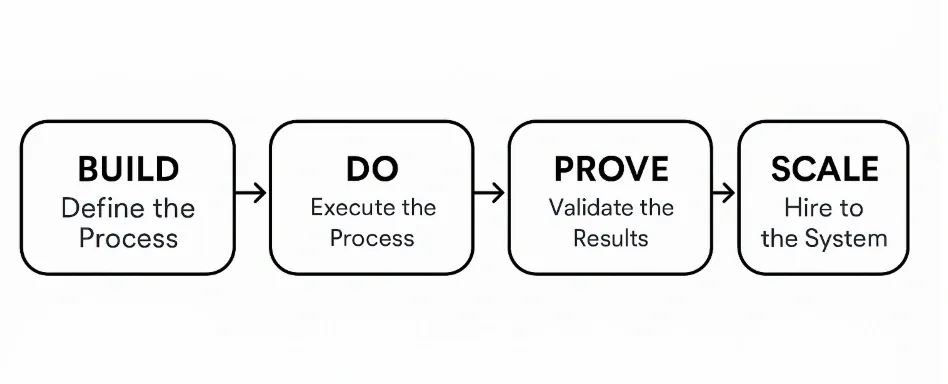
Want to build a scalable sales organization that actually delivers results? Then don’t skip the order of operations. Many try to cut corners here, and it often backfires, costing them time and money.

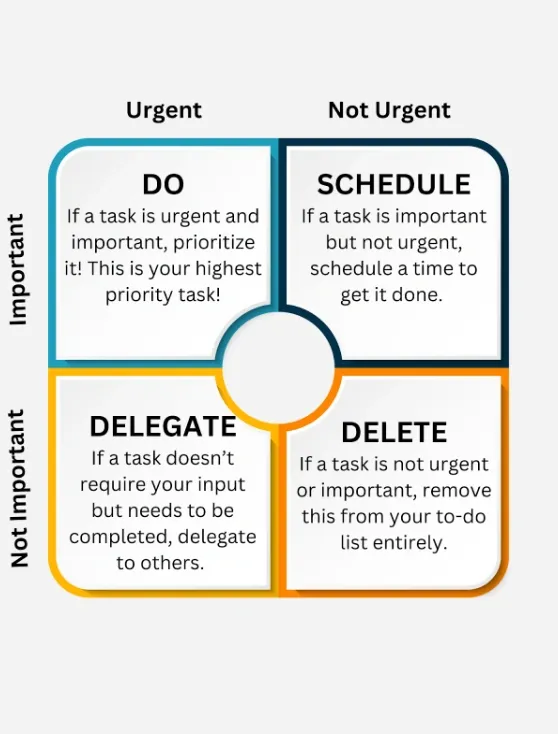
Win Your Week: The Schedule, Do, Delegate, Delete Framework

Hiring the right salesperson can transform your business. Hiring the wrong one? That's a costly mistake. Studies show a bad sales hire can cost, on average, 200% of their annual salary in recruitment, hiring, training, a...

SaaS founder, in the early days, you are the sales department.

So, you've crafted a compelling, AI-assisted job description and the applications are starting to roll in. Fantastic! But how do you consistently identify the true A-Players from the pile? The key lies in having a crysta...

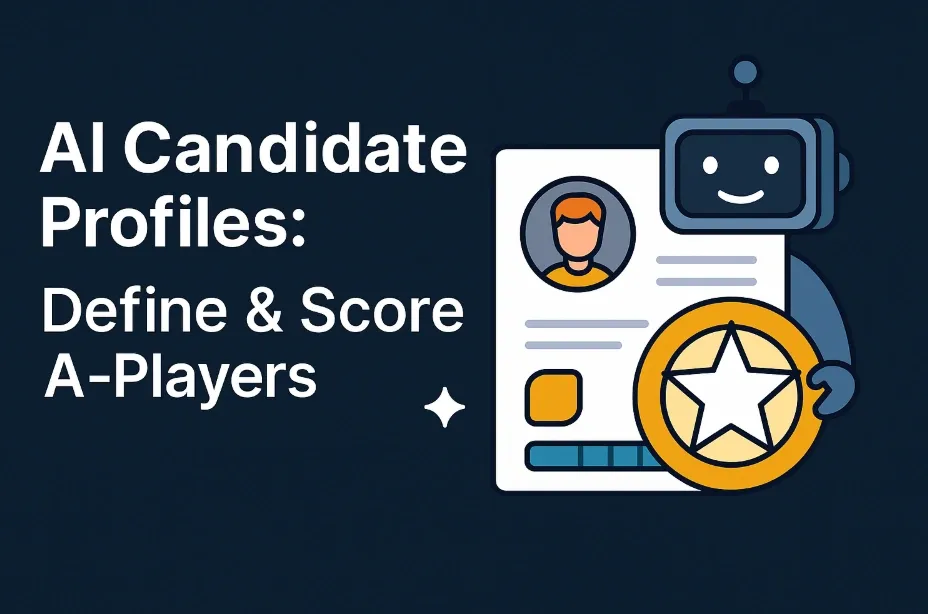
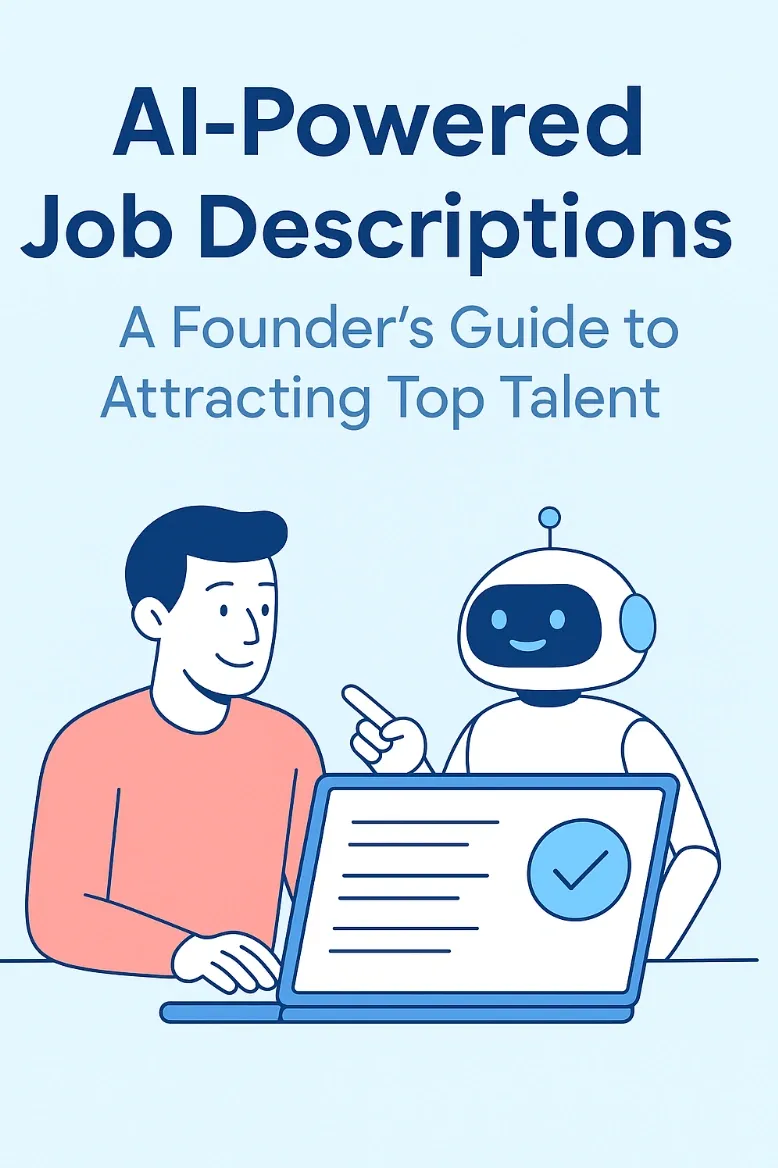
AI-Powered Job Descriptions: Founder's Guide to A-Players

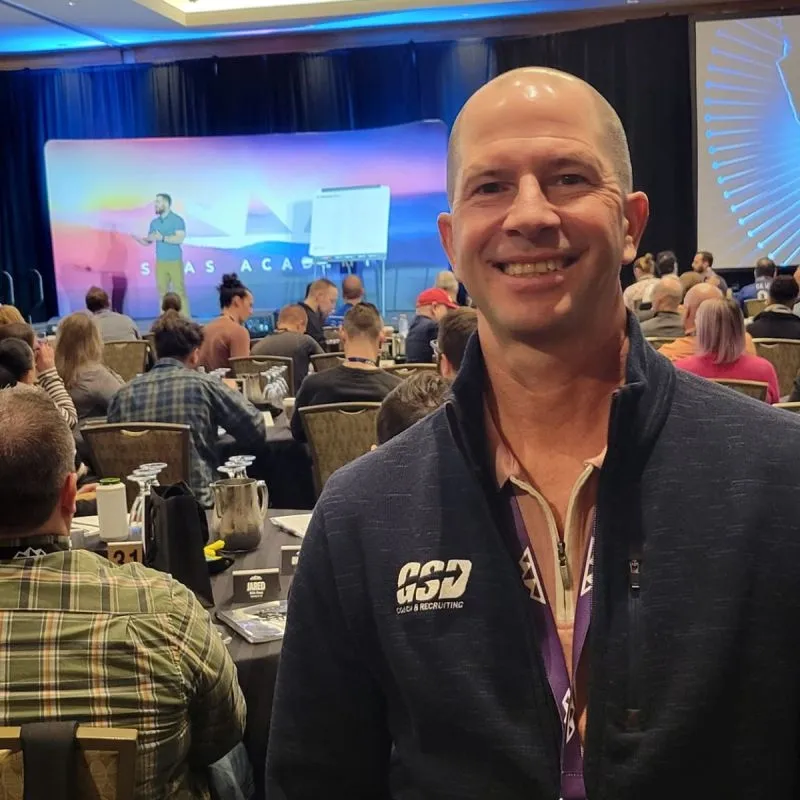
Some mornings hit different. You wake up already in motion—mind racing, inbox calling, day stacked wall to wall. That was me a few weeks ago. I was speaking at a conference later that morning.

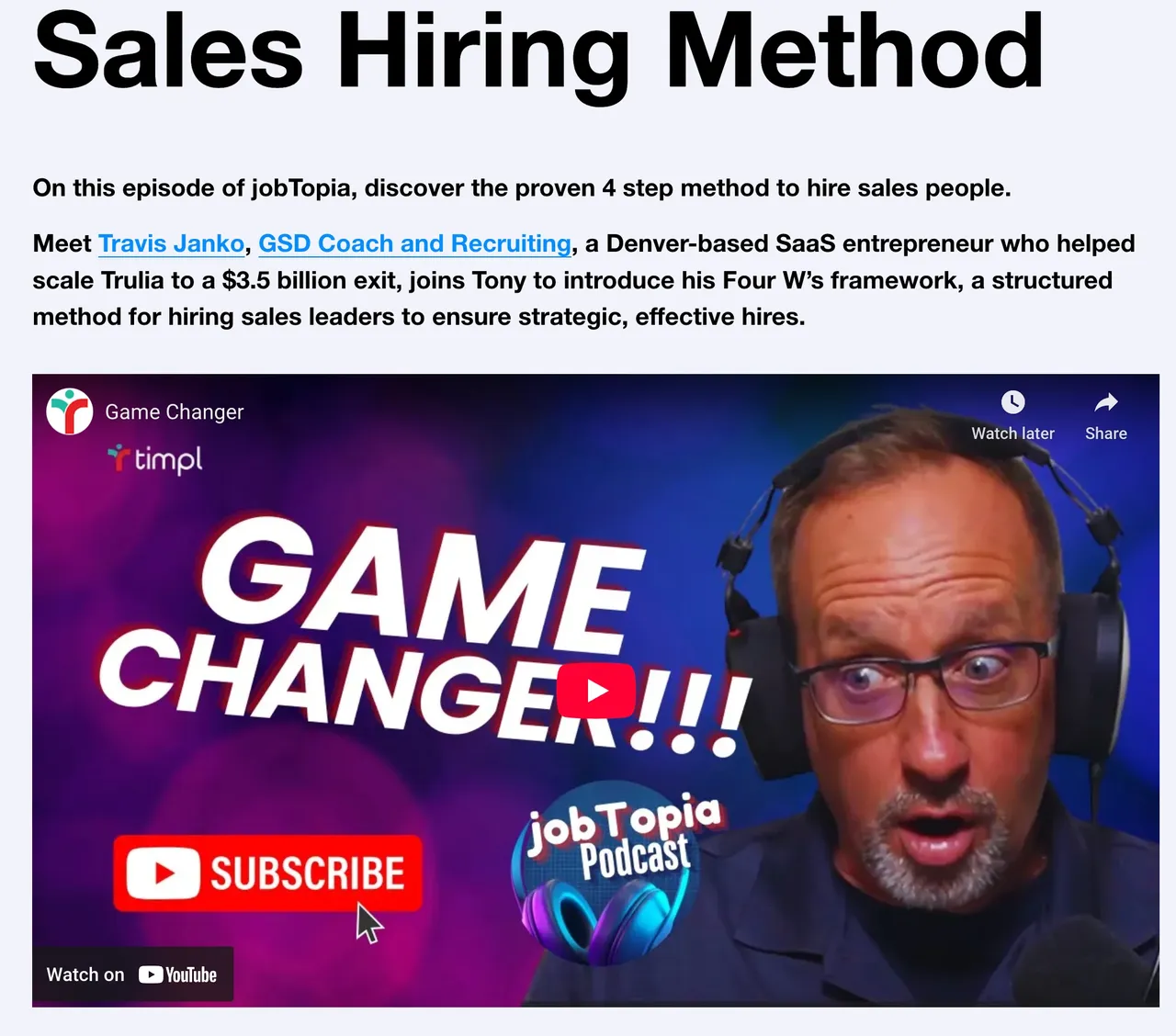
I joined Tony Moore from Timpl on his podcast to talk about how founders should hire sales leaders.

If your Sales Director carries a full quota, you don’t have a coach.

When hiring for a PMO leader, ensure you are asking questions or considering these ideas to help you uncover strengths in the following skill sets:

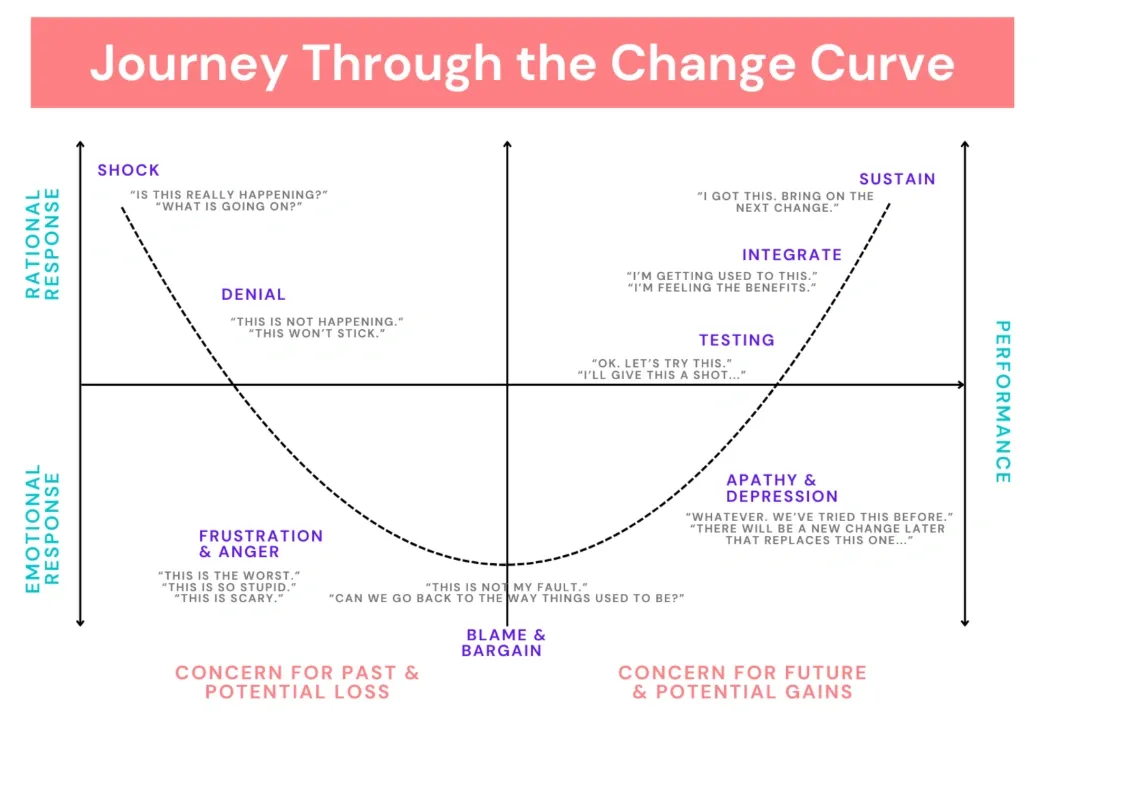
I love this visual as a way to remember to recognize and acknowledge the various phases of change, especially critical if you are a change & transition management leader or even if you are experiencing change as a manage...

Our offices are close, and on her louder days (we all have them), I’ll catch bits and pieces of Angie’s conversations.

Want to build a high-performing team? You don’t need complex frameworks or fancy leadership jargon.

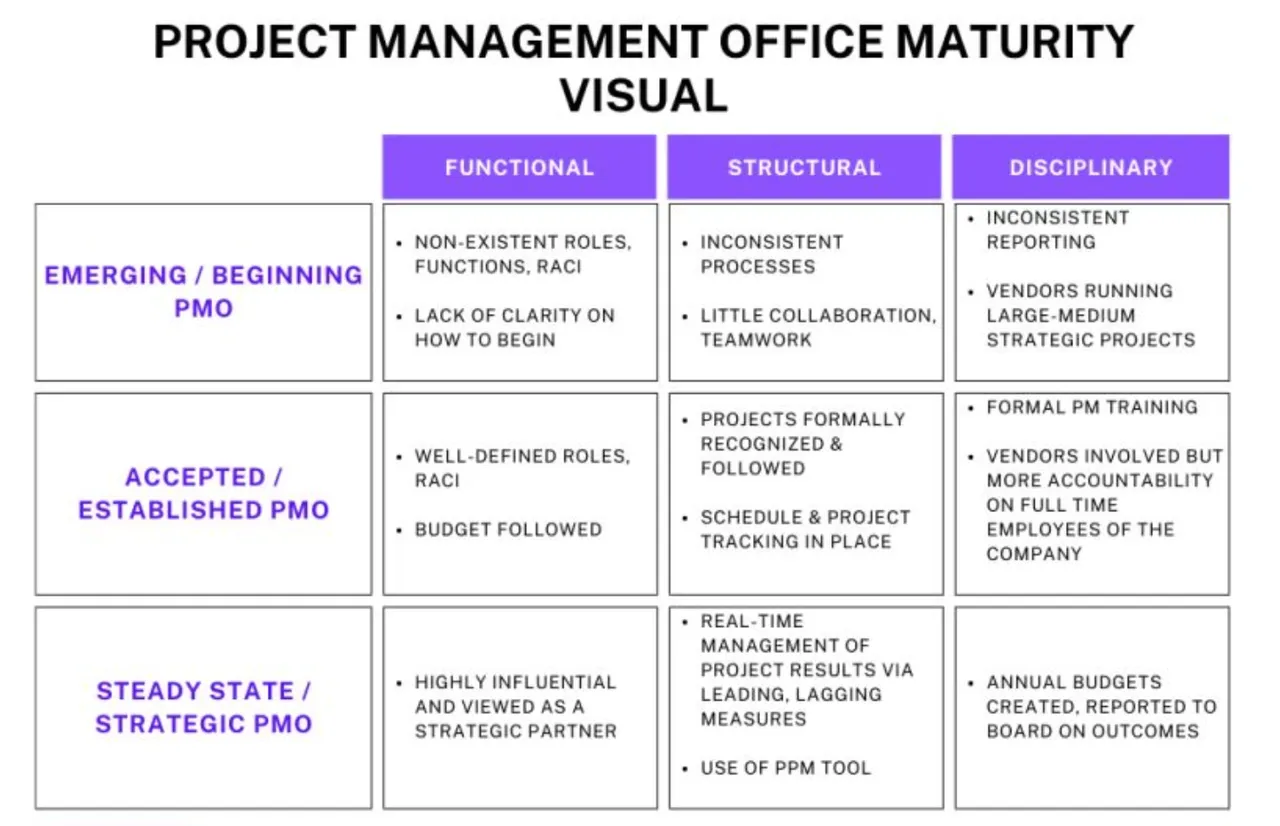
Do you know where your Project Management Office's (PMO) maturity index currently falls? If not, you should! Understanding your PMO's maturity level can fundamentally change what you prioritize, how you communicate your ...

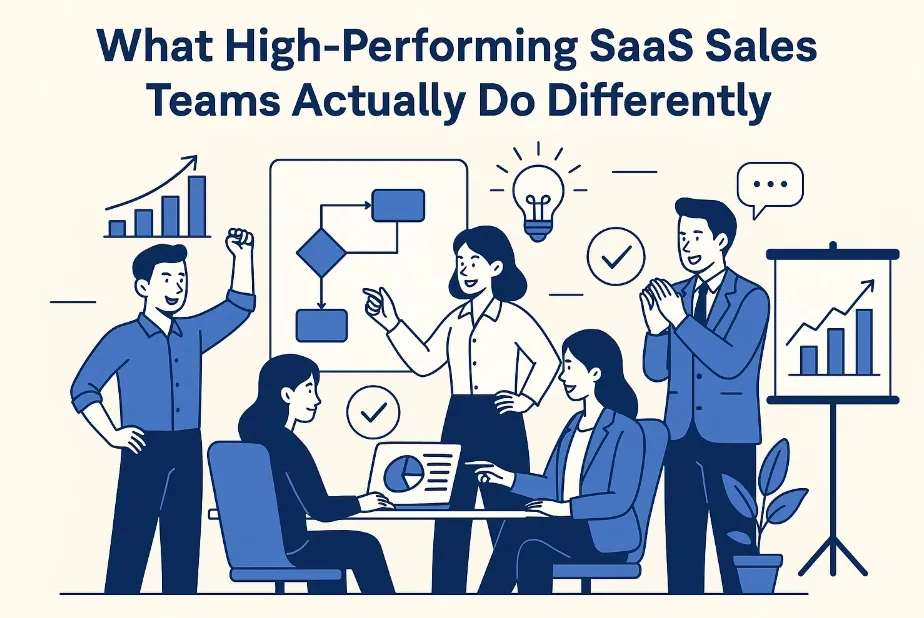
What sets the best SaaS sales teams apart? It's a combination of these key elements, executed consistently.

How many hours have you wasted in first-round interviews with candidates who were never going to be a fit? We’ve all been there. Ten minutes into the call, you realize there’s a massive disconnect on salary, expectations, or the actual nature of the work. Now you’re stuck in a "polite" 30-minute conversation while your real work sits untouched. It’s a drain on your energy. It’s a drain on your team. And it’s completely avoidable. The solution isn't "better" interview questions—it’s a more transparent process. At GSD, we use two simple hacks with every search. They act as an automated filter: they push the "Passengers" away and pull the "A-Players" in.